When a Software Abstraction Earns Its Place
A practical framework for deciding whether a software abstraction removes meaningful repetition or merely moves complexity behind a new boundary.
Supermoon Software / September 1, 2026 / 5 min read
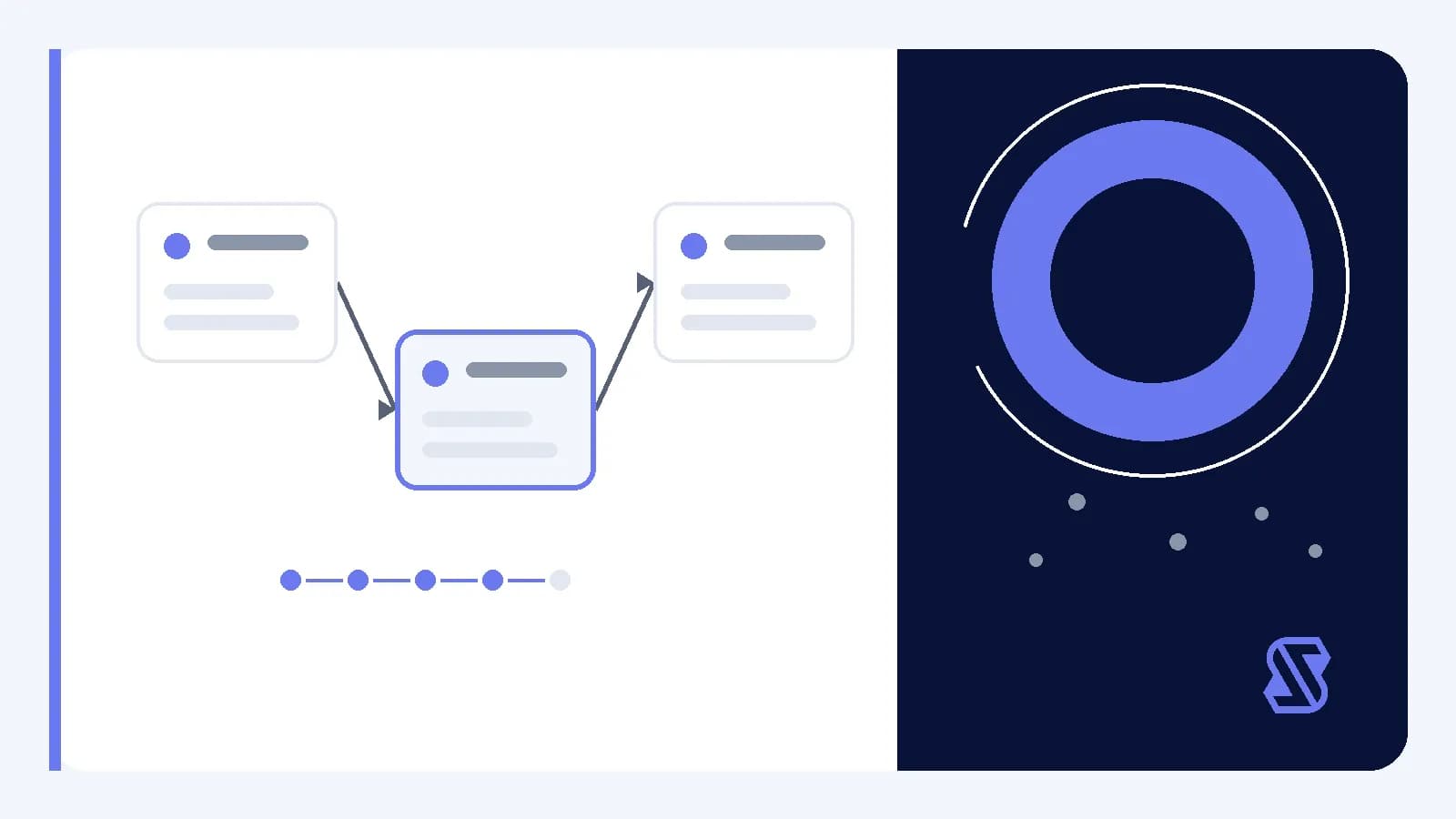
A software abstraction can make a system easier to work with, but only if it hides the right details. Hiding code is not enough. The useful question is whether a shared structure removes decisions that should not be made repeatedly while preserving the differences that still matter.
This makes abstraction a design choice rather than a cleanup ritual. A team needs to identify the promise being created, the cases that fit it, and the work required when a case does not fit. The strongest evidence comes from concrete changes and operational conditions, not from how elegant the structure appears in isolation.
Ask what the abstraction is buying
An abstraction is a simplified interface placed over underlying details. An interface, in this sense, is the set of inputs, outputs, and expectations through which one part of a system interacts with another. A useful abstraction gives the caller a smaller and more stable problem to understand.
Start by naming the decision that would disappear. If several modules must format equivalent requests, enforce the same transition, or translate the same internal state, a shared boundary may remove meaningful duplication. If the proposed layer merely gives an existing operation a new name, its value is less clear.
- State the repeated decision in ordinary language rather than referring only to repeated code.
- Identify which underlying details callers should no longer need to understand.
- Describe the stable promise the abstraction would make to every caller.
- Keep differences visible when combining them would require flags, exceptions, or hidden branching.
Begin with a real sequence of work
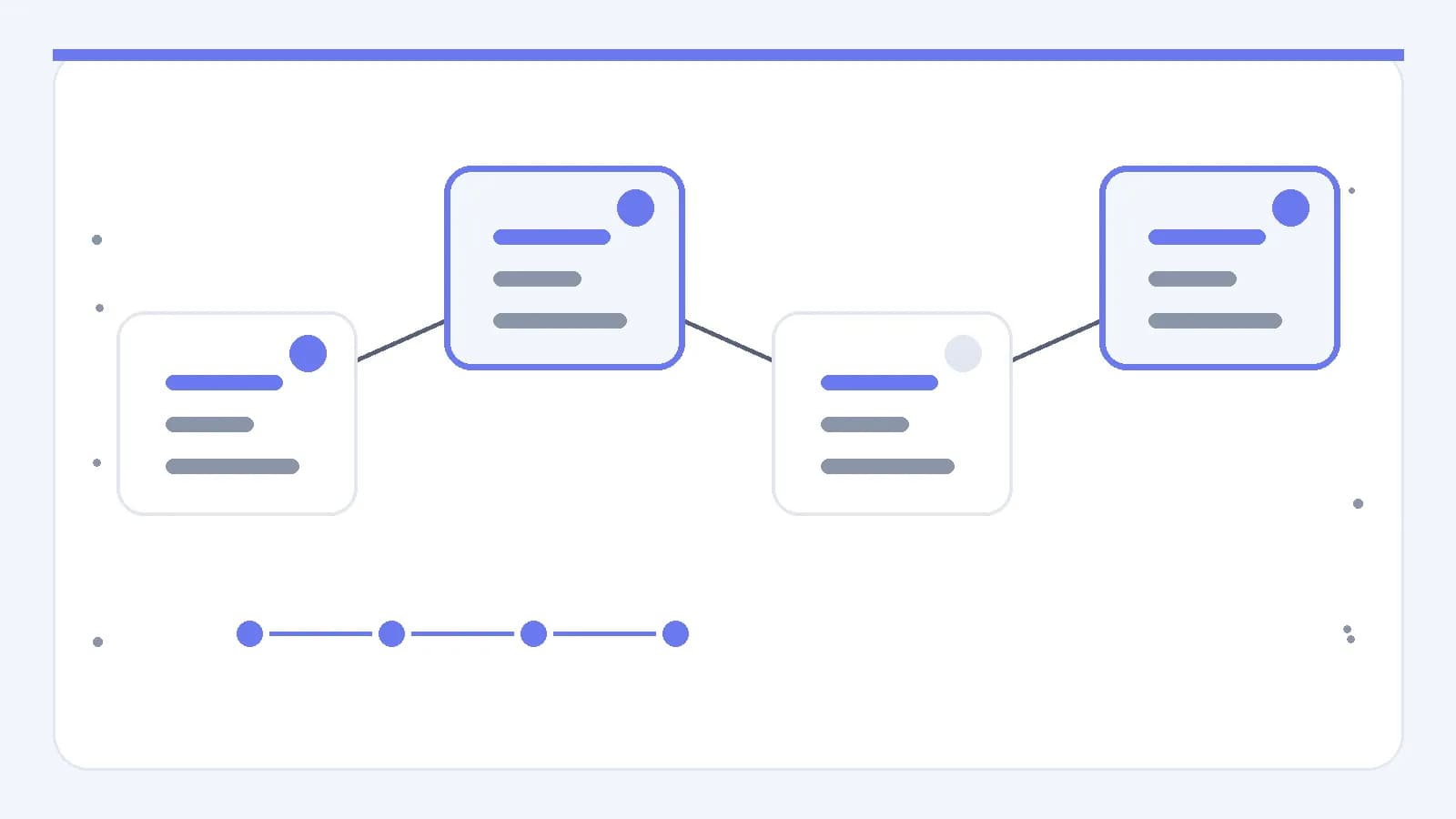
A useful candidate often becomes clearer when the team traces an actual task from input to result. The trace should include validation, state changes, side effects, and failure handling. A side effect is a change outside the immediate calculation, such as storing data or sending a request.
The goal is not to force every path into one workflow. It is to find checkpoints where several paths require the same decision. Those checkpoints can become module boundaries, while genuinely different steps remain explicit. This approach keeps the abstraction tied to work the system already needs to perform.
- Choose a representative task that is understood well enough to inspect without guessing.
- Mark each point where code must interpret, validate, transform, store, or report something.
- Compare another relevant task and note which decisions are equivalent rather than merely nearby.
- Draft a boundary around the shared decisions, then leave the differing decisions outside it.
- Walk through an awkward case before committing to the proposed shape.
Count the cost on both sides
Abstraction replaces one kind of complexity with another. Repetition may decrease, while indirection increases. Indirection means that understanding an operation requires following it through another layer. That trade can be worthwhile when the new layer centralizes a meaningful rule, but less so when readers must jump between files to reconstruct a simple action.
The evaluation should include maintenance outside the main path. Consider debugging, testing, migration, error reporting, and removal. If the abstraction owns a policy, it also needs a clear place for that policy to be inspected and changed. Otherwise, complexity has been concealed rather than reduced.
- Reading cost: Can a maintainer understand what happens without repeatedly opening the underlying implementation?
- Change cost: Does a common change become local, or must callers still coordinate their own variations?
- Failure cost: Can an error be traced to the relevant boundary with enough context to act?
- Exit cost: Could the layer be removed or replaced without rewriting unrelated parts of the system?
Define boundaries and escape routes
A boundary should say what it owns and what remains the caller’s responsibility. This reduces accidental coupling, which is dependence between components that was not deliberately designed. For example, a storage abstraction might own data translation while leaving retry policy to the calling workflow, if that separation matches the product’s operational needs.
Escape routes deserve equal attention. An uncommon case may need direct access to a lower-level operation, a separate implementation, or no participation in the abstraction at all. The recommendation is not to provide unlimited bypasses. It is to avoid distorting the common interface until it can represent every hypothetical case.
Test the promise under change and failure
The best test is a small set of plausible changes. Ask what would happen if an input gained a new field, a dependency returned an unfamiliar error, or a workflow needed an additional checkpoint. These are hypothetical probes, not forecasts. They expose whether the abstraction represents a stable concept or a temporary similarity.
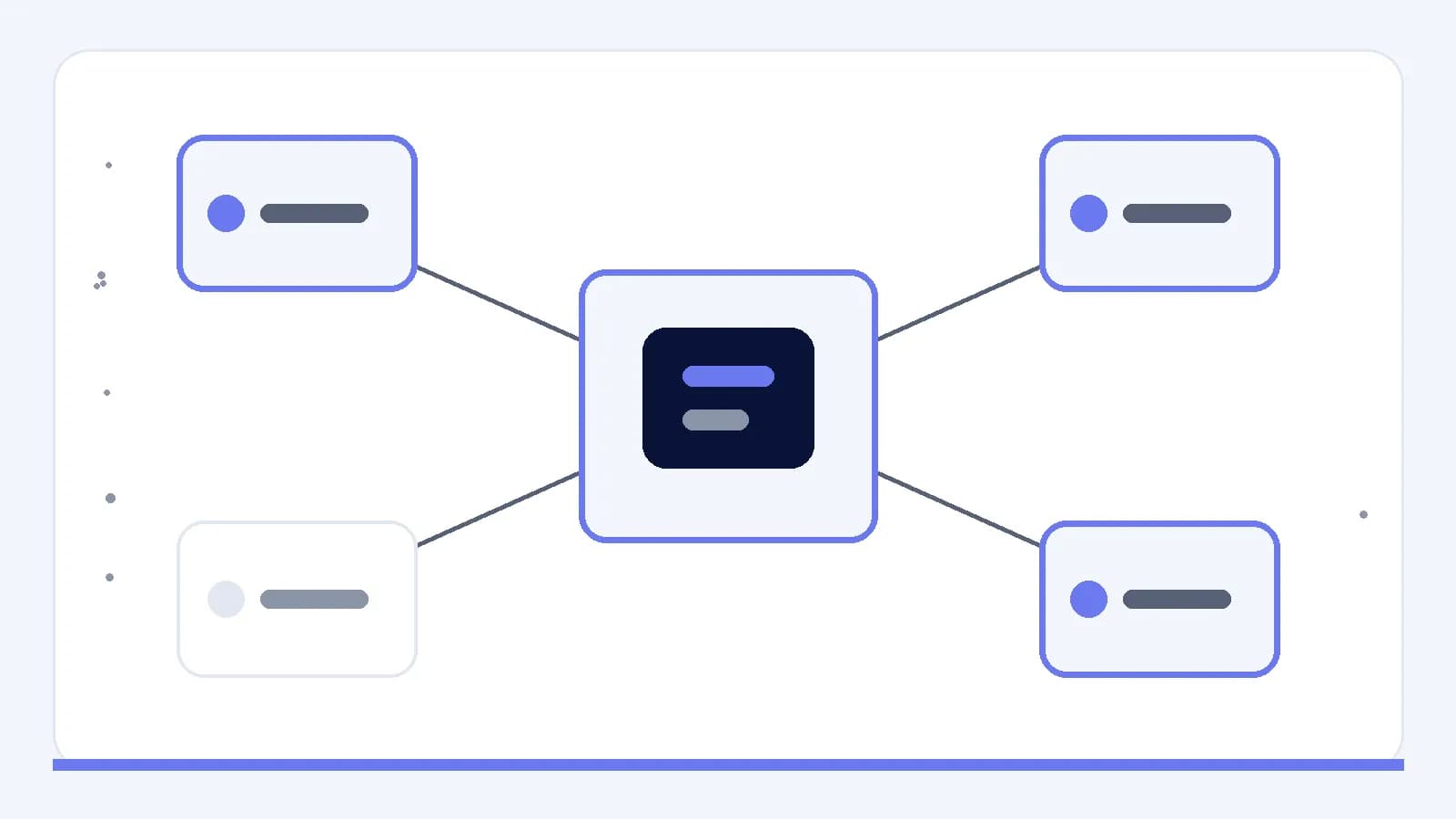
Reliability also depends on visible ownership. A reliability map can show which surrounding states the central system handles, which it reports, and which still require attention elsewhere. The abstraction should not imply that it resolves conditions beyond its responsibility. A narrow, accurate promise is easier to reason about than a broad promise supported by hidden exceptions.
Choose the smallest stable promise
Before adopting an abstraction, write its promise in a sentence and test that sentence against the current cases, an awkward case, and a plausible change. Then compare the proposed structure with the simpler option of leaving the code separate. If the layer removes repeated decisions and clarifies ownership, it has a practical reason to exist.
If the promise depends on many conditions, preserve the separate implementations and revisit the pattern after the relevant behavior is better understood. The decision is not between abstraction and disorder. It is between different ways of placing complexity. Prefer the smallest boundary that makes an important rule easier to find, change, test, and remove.