Test Product Positioning Without Rewriting the Brand
A structured framework for testing acquisition messages, connecting them to onboarding, measuring useful signals and protecting a stable software brand.
Supermoon Software / August 28, 2026 / 5 min read
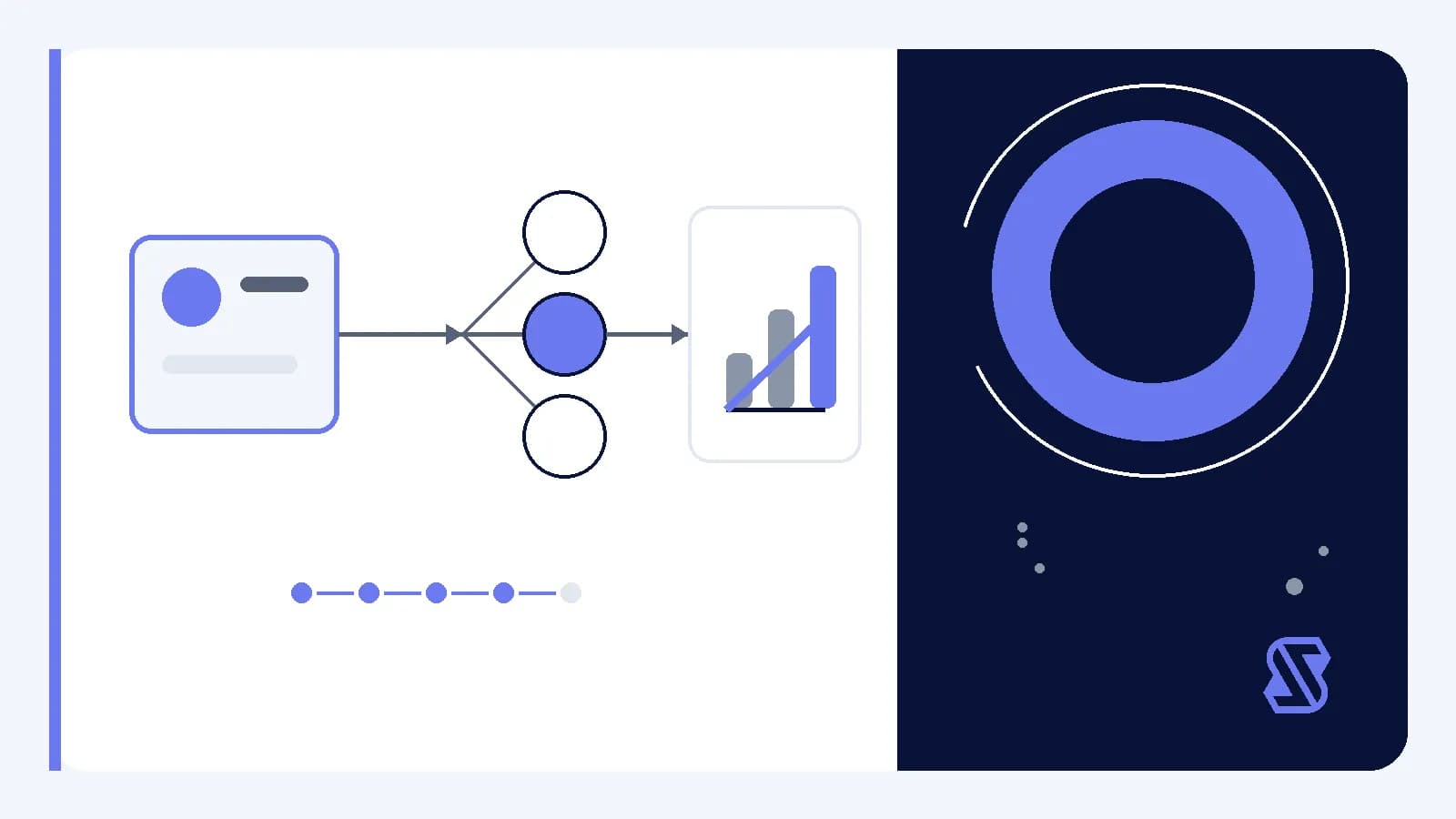
Positioning is the strategic choice about which problem a product addresses, for whom and why that approach matters. It guides communication, but it does not require every headline, onboarding screen and visual detail to remain fixed. A positioning test can examine one expression of that choice without reopening the whole brand.
The practical challenge is deciding what may change, what must stay stable and what evidence would justify a broader revision. A useful framework treats the message as one part of a connected product journey. It also separates learning from reaction, so an ambiguous result does not trigger an unnecessary rewrite.
Separate the stable layer from the test layer
Begin by dividing brand decisions into stable foundations and testable expressions. Foundations might include the product’s intended role, naming system, visual principles and tone. Expressions include headlines, examples, audience emphasis and the order in which benefits appear. The exact boundary is a product decision, but it should be written down before a test begins.
This separation keeps the scope legible. If a new acquisition message performs poorly, the team can inspect that message and its path before questioning the name, identity or overall product premise. If it performs well, the result still applies only to the tested expression until related decisions have been examined.
- Keep the product’s core purpose stable unless the test is explicitly designed to question it.
- Allow audience emphasis, problem framing and benefit order to vary within defined limits.
- Record which visual and verbal elements must remain consistent across every path.
- Identify decisions that require broader product evidence rather than message evidence alone.
Turn a position into a testable hypothesis
A positioning statement is too broad to test directly. Convert it into a hypothesis, meaning a specific expectation that can be examined through observable signals. The hypothesis should connect an audience, a problem frame, a message and a relevant next step. It should also describe what result would count as informative, including a neutral or mixed outcome.
- Choose one audience interpretation rather than combining several possible readers in one message.
- State the problem in language that matches the product decision being examined.
- Select one primary benefit and keep secondary benefits from competing with it.
- Define the next meaningful action and the signals that would help interpret it.
For example, a team might test whether emphasizing quick organization creates a clearer path to setup than emphasizing flexible control. That hypothetical comparison does not establish which position is better. It creates a bounded question, while the product, entry point and onboarding conditions remain controlled closely enough for interpretation.
Carry each message into onboarding
A message test becomes difficult to read when the promise ends at the acquisition surface. Each audience path should lead into a first-run experience that acknowledges the same problem and benefit. The paths may converge on shared onboarding, but the transition should not introduce a different product story without explanation.
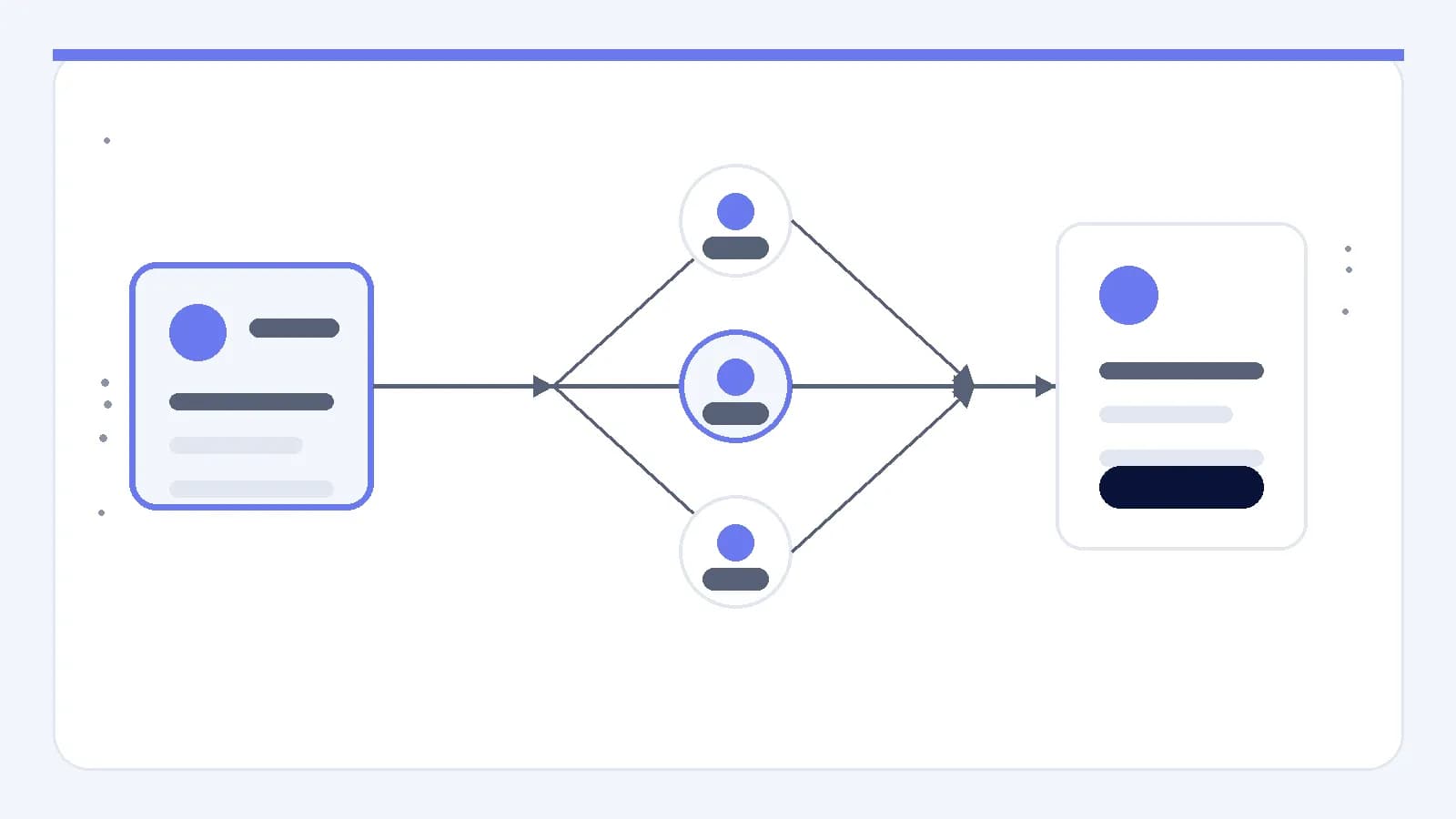
Map the path before changing interface copy. Note what the entry message establishes, what the next screen repeats and where the product begins demonstrating the idea. If implementation conditions prevent a tailored handoff, the acquisition message may need to stay broad enough for the shared onboarding flow.
Consistency does not require repetition. A headline can name the problem, onboarding can clarify the setup and the product can present the relevant control. The recommendation is to preserve the logic between those stages. A test should not depend on identical wording if the sequence remains understandable.
Read signals as a sequence
Measurement should follow the same path as the message. Conversion means completion of a chosen action, while activation means reaching a product state that the team considers meaningfully connected to use. Neither term is useful until the action or state has been defined for the particular test.
A message may encourage entry without preparing someone for setup, or it may attract fewer entries that proceed more coherently. Those are different interpretations, not automatic verdicts. Read signals in sequence and inspect where paths diverge before assigning the result to positioning.
- Entry signals indicate whether the message supported the intended next action.
- Onboarding signals show where the proposed value met setup requirements or friction.
- Activation signals connect the message to a defined product state rather than mere arrival.
- Qualitative notes capture confusion, mismatched expectations and language worth examining separately.
Run a controlled learning cycle
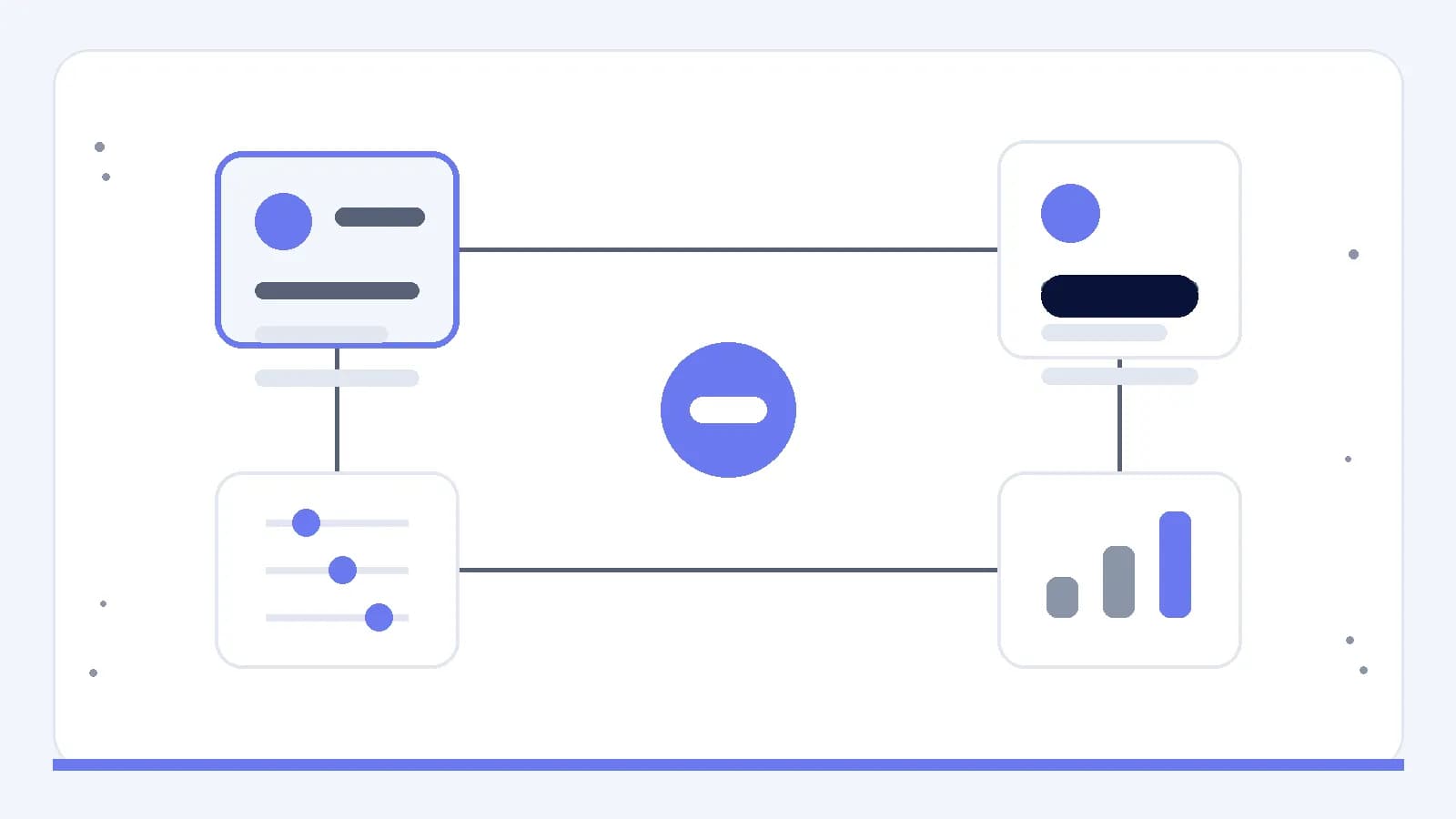
A controlled cycle connects message changes to onboarding, measurement and product controls. Product controls are the settings, interface states or operational choices that keep a test within its intended boundaries. The team should verify which controls are available and avoid designing an interpretation that depends on conditions it cannot observe.
- Document the hypothesis, fixed elements, variable elements and intended audience path.
- Check that the acquisition message and first-run experience express compatible expectations.
- Review the defined sequence of signals alongside implementation notes and qualitative observations.
- Decide whether to retain, refine, retest or retire the message without automatically changing the brand.
Keep a decision log that records what changed, why it changed and what remained uncertain. This is not a scorecard for declaring a winning phrase. It is a compact record that prevents the same question from being reopened without new information and helps distinguish a message issue from an onboarding or product issue.
Decide what earns a brand change
A broader brand change should follow a pattern of product-level learning, not one isolated message result. Ask whether the tested idea remains coherent across acquisition, onboarding and meaningful use. Also ask whether the current foundation blocks a clearer expression, or whether a smaller adjustment to examples, hierarchy or audience emphasis would address the issue.
The practical sequence is to protect the stable layer, test one bounded hypothesis, carry its promise into onboarding and interpret signals across the complete path. Refine the message when the evidence concerns expression. Revisit positioning when repeated, well-scoped tests expose a deeper mismatch between the stated problem, the product experience and the intended role.