Release Engineering for Small Product Teams
A practical framework for moving software from finished code to a controlled release, with clear checkpoints, proportionate verification and recovery plans.
Supermoon Software / August 4, 2026 / 5 min read
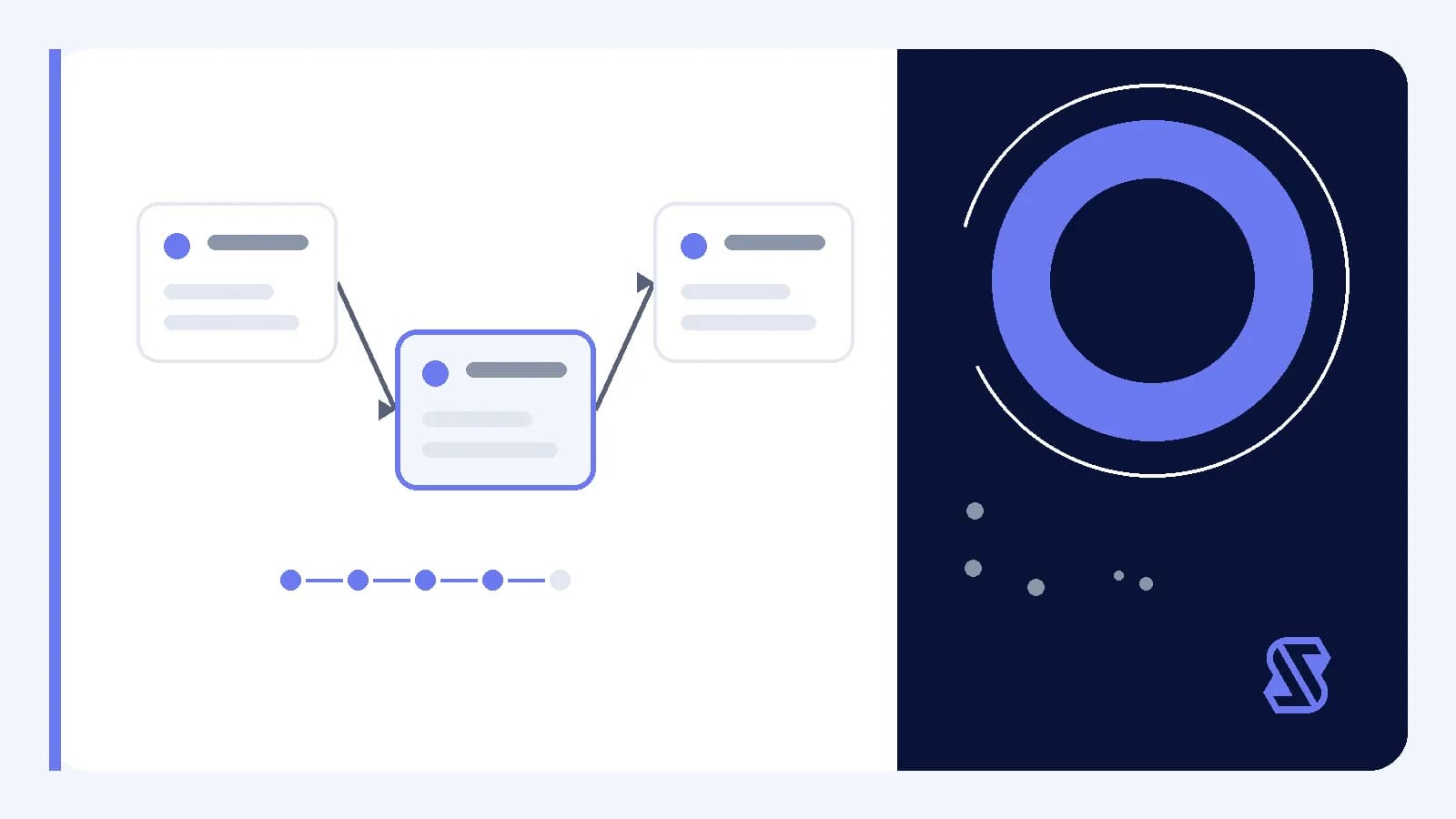
A feature is not finished merely because its code is complete. It still needs to become a build that can be identified, checked, distributed and supported without relying on memory or improvised coordination. Release engineering is the practice of designing that path from a completed change to software available in its intended environment.
For a small product team, the goal is not to reproduce the process of a large organization. It is to make routine releases understandable and exceptional releases manageable. The useful question is whether the team can explain what is being released, what evidence supports the decision, how the release will be observed and what will happen if an important assumption proves wrong.
Treat the release path as part of the product
Release work often crosses code, configuration, data, distribution systems and product communication. A sensible process gives these elements explicit owners and checkpoints. That does not require a dedicated release department. It requires a shared definition of the release path and a small set of records that another team member can inspect.
The process should make important states visible. A build artifact is the packaged software produced from source code. A release candidate is an artifact being considered for distribution. Production is the live environment where the released product operates. Keeping these states distinct reduces ambiguity when a test fails or a decision must be revisited.
- Identify the source changes, configuration and data work included in the release candidate.
- Record which checks have completed and which conditions still require a deliberate judgment.
- Assign ownership for approval, distribution, observation and any necessary recovery action.
- Preserve enough release context for someone outside the immediate task to understand the decision.
Build a path with explicit checkpoints
A release workflow should describe movement between states rather than present a loose collection of tools. Continuous integration, often shortened to CI, is an automated process that builds and checks changes as they are combined. CI can support a checkpoint, but the team still decides what passing means and whether additional product, data or platform review is required.
A compact workflow might move from reviewed source to a generated artifact, then to verification, approval, distribution and observation. Every transition should have an entry condition and a responsible person. Platform-specific submission rules, signing requirements and distribution behavior are implementation conditions the team must verify rather than assumptions to embed in a generic process.
- Create an identifiable artifact from an approved source state and recorded configuration.
- Run automated checks that address known technical risks and reject unusable artifacts.
- Complete focused review for product behavior, data changes and platform-specific conditions.
- Approve distribution only when unresolved concerns have an owner and an explicit decision.
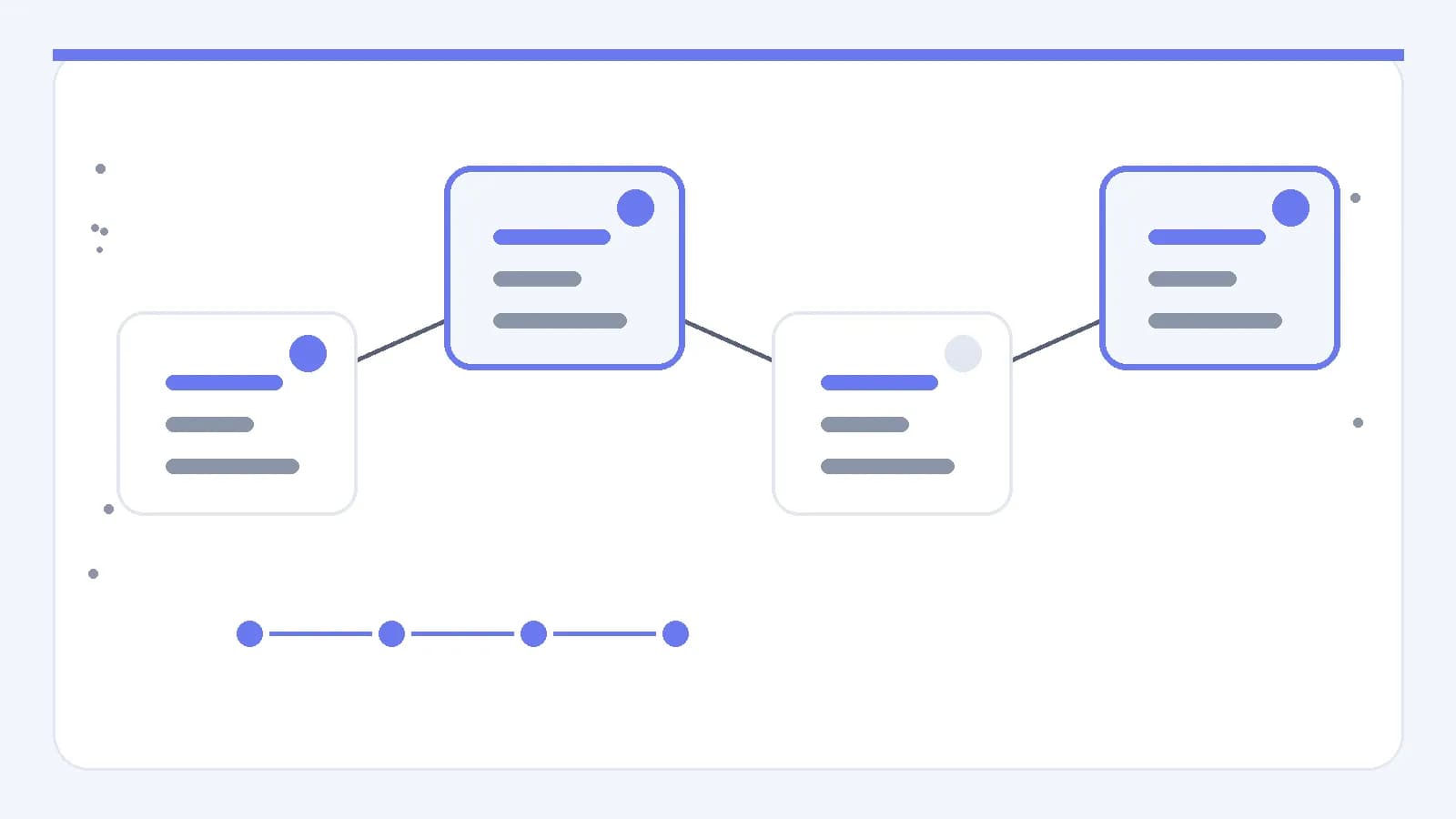
Keep each change understandable
Release risk is shaped partly by how much the team must reason about at once. A practical recommendation is to keep changes coherent, so their intended effect and dependencies can be stated plainly. This does not mean every release must be small. A larger coordinated change may be appropriate when separating its parts would create incompatible states or more operational work.
The release record should connect a change to its purpose, affected areas and verification plan. It should also identify migrations, configuration switches and dependencies on external systems. A migration is a controlled change to stored data or its structure. If a migration cannot be reversed safely, the team should treat recovery as a forward repair, such as a corrective migration, and rehearse the required steps before distribution.
Verify according to risk, not ritual
A long checklist can still miss the condition that matters. Verification should follow the likely failure surfaces of the particular release. A visual adjustment may call for review across relevant layouts. A data change may require checks for existing records, interrupted operations and compatibility between old and new application states. These are design questions for the release, not universal test prescriptions.
Automation is useful for repeatable conditions with clear pass or fail criteria. Human review is better reserved for ambiguous product behavior, unusual data states and judgments that cannot be expressed reliably as a mechanical check. The team should periodically remove checks that no longer inform a decision and strengthen checks around recurring uncertainty.
- Ask which product behavior would be costly or difficult to correct after distribution.
- Verify assumptions at system boundaries, including data formats, authentication and external integrations.
- Test recovery steps where an incorrect command or missing permission could block the response.
- Document any accepted uncertainty and the signal that would cause the team to reconsider.
Plan observation and recovery together
Observability means having enough signals to understand the state of running software. Those signals might include structured logs, operational events, error reports or product-specific health indicators, subject to the product’s privacy and data-handling decisions. The important design question is whether each signal can support an action, rather than whether the team has collected a large volume of information.
A rollback is the act of returning from a release to an earlier working state. It should not be treated as an automatic answer. Data migrations, external dependencies or mixed application states may make a direct reversal unsafe. The team should decide in advance whether the appropriate response is rollback, a corrective release, disabling an isolated path or temporarily limiting an affected operation.
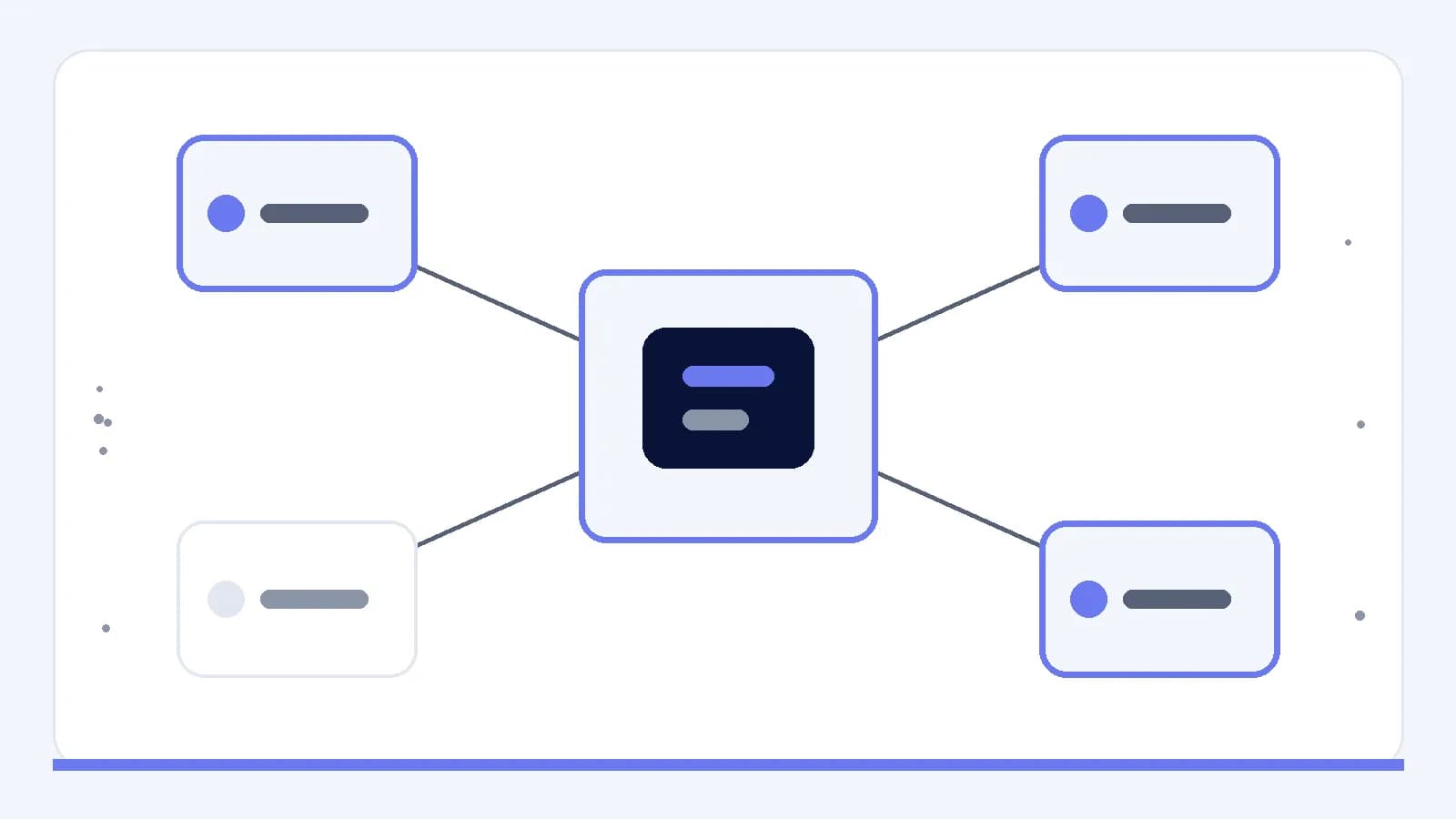
A reliability map can connect the central system to its surrounding states and expose an area that still needs attention. The release owner can use that view to name the relevant signal, decision maker and recovery action. If any of those elements is missing, the gap should remain visible rather than being converted into an implied approval.
Make the release decision reviewable
Before distribution, a small team should be able to answer a compact set of questions: What exactly is changing? Which assumptions were verified? What remains uncertain? Which signals will show whether the release is operating as intended? Who can choose and execute the recovery path? Clear answers provide a stronger basis for judgment than a ceremonial approval step.
The practical framework is therefore a connected loop: identify the artifact, move it through explicit checkpoints, verify the risks specific to the change, observe meaningful conditions and prepare a proportionate recovery path. The process is mature when it helps the team make and revisit decisions with less ambiguity, while remaining simple enough to follow during ordinary product work.