Reducing Accidental Complexity Without Closing Future Paths
A practical framework for simplifying software decisions today while keeping credible routes open for tomorrow’s product needs.
Supermoon Software / July 21, 2026 / 5 min read
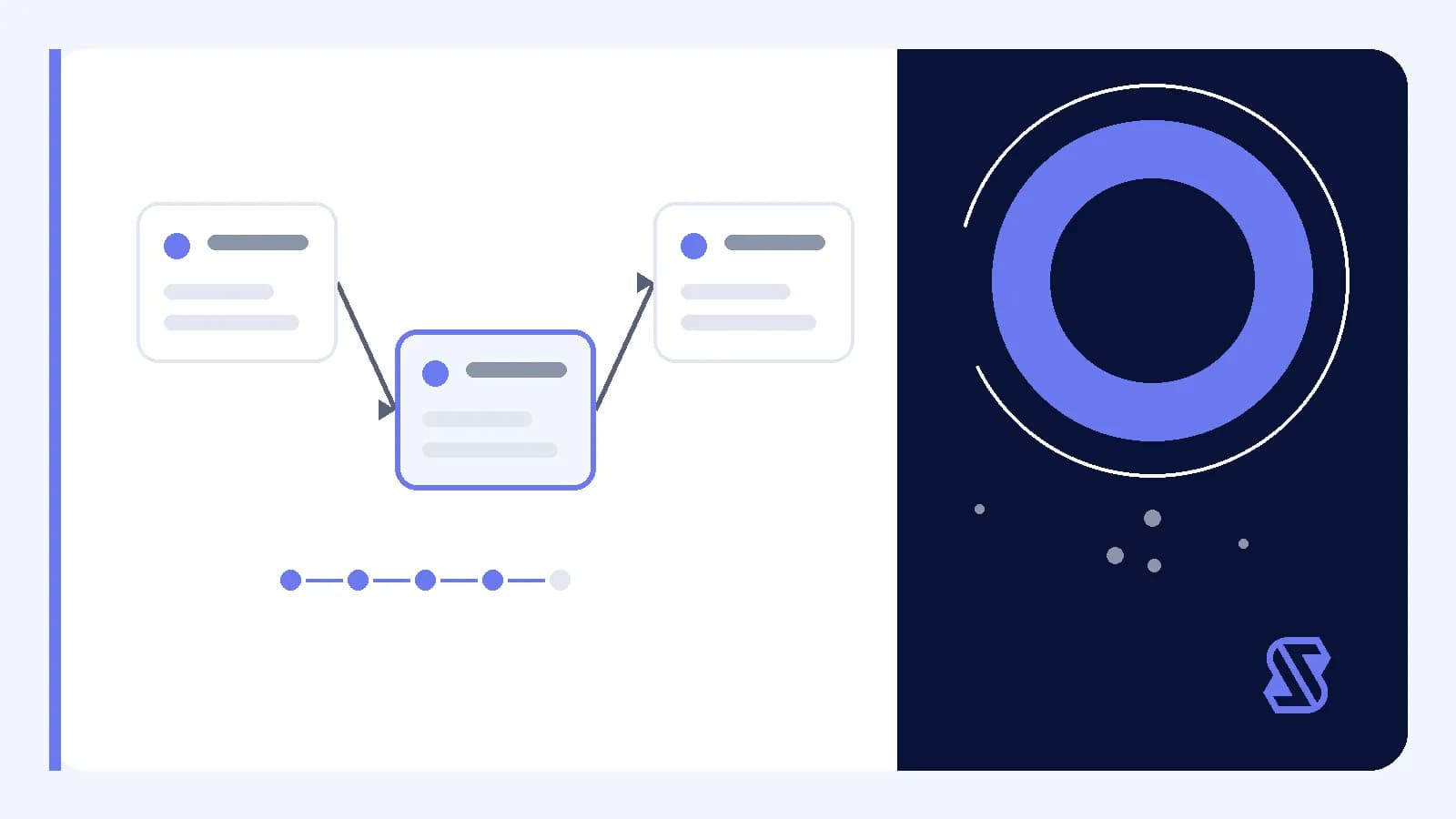
Software needs room to change, but preparing for every imaginable change can make the present product harder to understand. Extra layers, switches, abstractions and extension points may look like flexibility while quietly increasing the number of decisions required for ordinary work.
The useful distinction is not between simple and sophisticated software. It is between complexity that serves a current product requirement and complexity created by assumptions about an uncertain future. A disciplined team can preserve credible growth paths without implementing each possible destination in advance.
Separate product complexity from accidental complexity
Product complexity comes from the problem the software has chosen to handle. Accidental complexity is additional difficulty introduced by the way that problem is represented, divided or implemented. The distinction depends on context. A permission model may be essential for one product and unnecessary structure for another.
When reviewing a design, trace each moving part back to a present requirement, a verified implementation constraint or a deliberate reliability measure. Anything without that connection deserves another question. It may still be justified, but its cost should not disappear behind broad labels such as scalability, flexibility or future-proofing.
- Identify the current requirement that each abstraction supports.
- Distinguish verified constraints from assumptions about later needs.
- Record what becomes harder when another layer is introduced.
- Remove options whose only purpose is keeping unspecified possibilities open.
Preserve pathways instead of building destinations
Room for growth does not require building future features early. It can mean keeping today’s decisions understandable and replaceable. A narrow internal boundary, a documented data meaning or a clear ownership rule may preserve a pathway without creating a general framework that the product does not yet need.
This approach asks for a credible next step rather than a complete long-term architecture. For example, a product might keep one notification process in a single module while separating its inputs from delivery-specific details. That boundary leaves a place to adapt later, but it does not require multiple delivery systems, configuration screens or routing rules now.
Use boundaries and checkpoints deliberately
A boundary is a defined point where one part of the software interacts with another. Good boundaries can limit how far a change travels. Poorly chosen boundaries can scatter related decisions across files, services or settings. The design question is therefore not whether more modularity is better, but which separations correspond to meaningful product responsibilities.
Checkpoints make those boundaries visible during development. A checkpoint can be a review of a data transformation, a verification step before state changes, or a documented decision about failure handling. Each one should answer a specific question. Adding checkpoints without a clear purpose creates ceremony rather than control.
- Map the smallest workflow that completes the present product task.
- Mark where information changes meaning, ownership or state.
- Add a boundary only where independent change is plausible and identifiable.
- Place a checkpoint where an error would otherwise cross that boundary unnoticed.
- Revisit the map when a real requirement challenges the current structure.
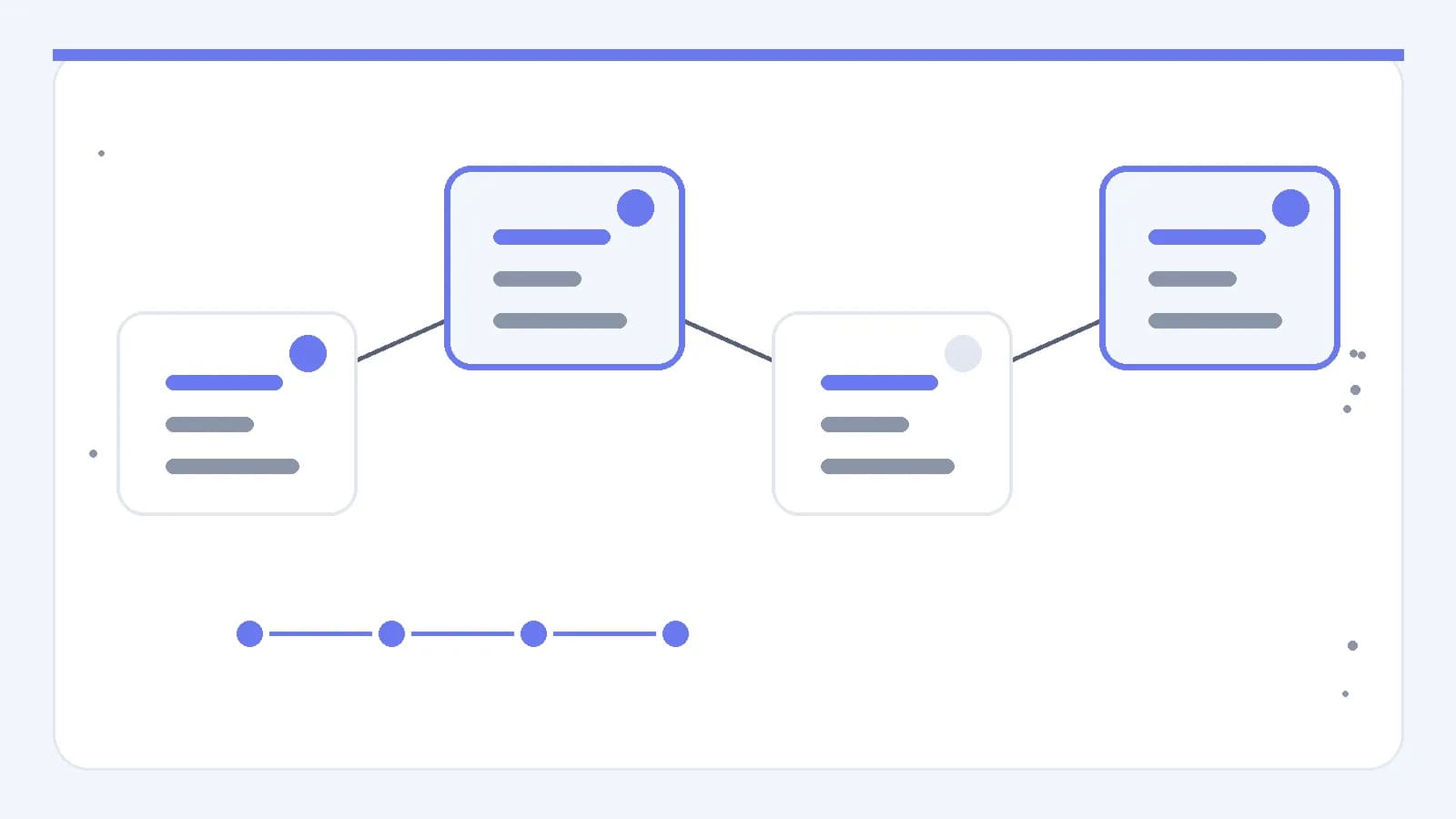
Prefer reversible decisions where uncertainty is high
A reversible decision can be changed without reconstructing unrelated parts of the product. Reversibility does not mean that every component must be interchangeable. It means uncertain choices receive proportionate isolation, while stable and well-understood choices can remain direct. This keeps uncertainty from shaping the entire architecture.
The cost of reversal also needs to be concrete. Replacing a small internal rule may be cheaper than maintaining a configurable rule engine. Conversely, a data representation that spreads across many features may deserve an explicit translation layer. The team should compare the likely change surface with the ongoing burden of the proposed protection.
- Keep uncertain rules close to one clearly named owner.
- Avoid exposing internal representations more widely than the product requires.
- Isolate external implementation conditions only after verifying the relevant boundary.
- Prefer migration plans over permanent support for every historical shape.
- Document why a hard-to-reverse choice is acceptable now.
Evaluate growth through reliability states
Growth planning becomes more useful when expressed as states the product may need to handle. A state is a meaningful condition such as incomplete data, interrupted processing or a request that cannot yet proceed. The team can map which component owns each state, how recovery should work and which conditions remain intentionally unsupported.
This map should remain tied to credible scenarios. It is not a demand to handle every theoretical failure. Its purpose is to reveal where an expansion would meet unclear ownership, hidden coupling or missing recovery decisions. One unresolved state can remain visible without forcing an immediate platform-wide solution.
- Name the central operation that must remain understandable.
- List the surrounding states that current requirements make relevant.
- Assign one owner for detecting and handling each state.
- Mark unsupported states explicitly rather than covering them with generic behavior.
- Add structure only when the map reveals a repeated responsibility.
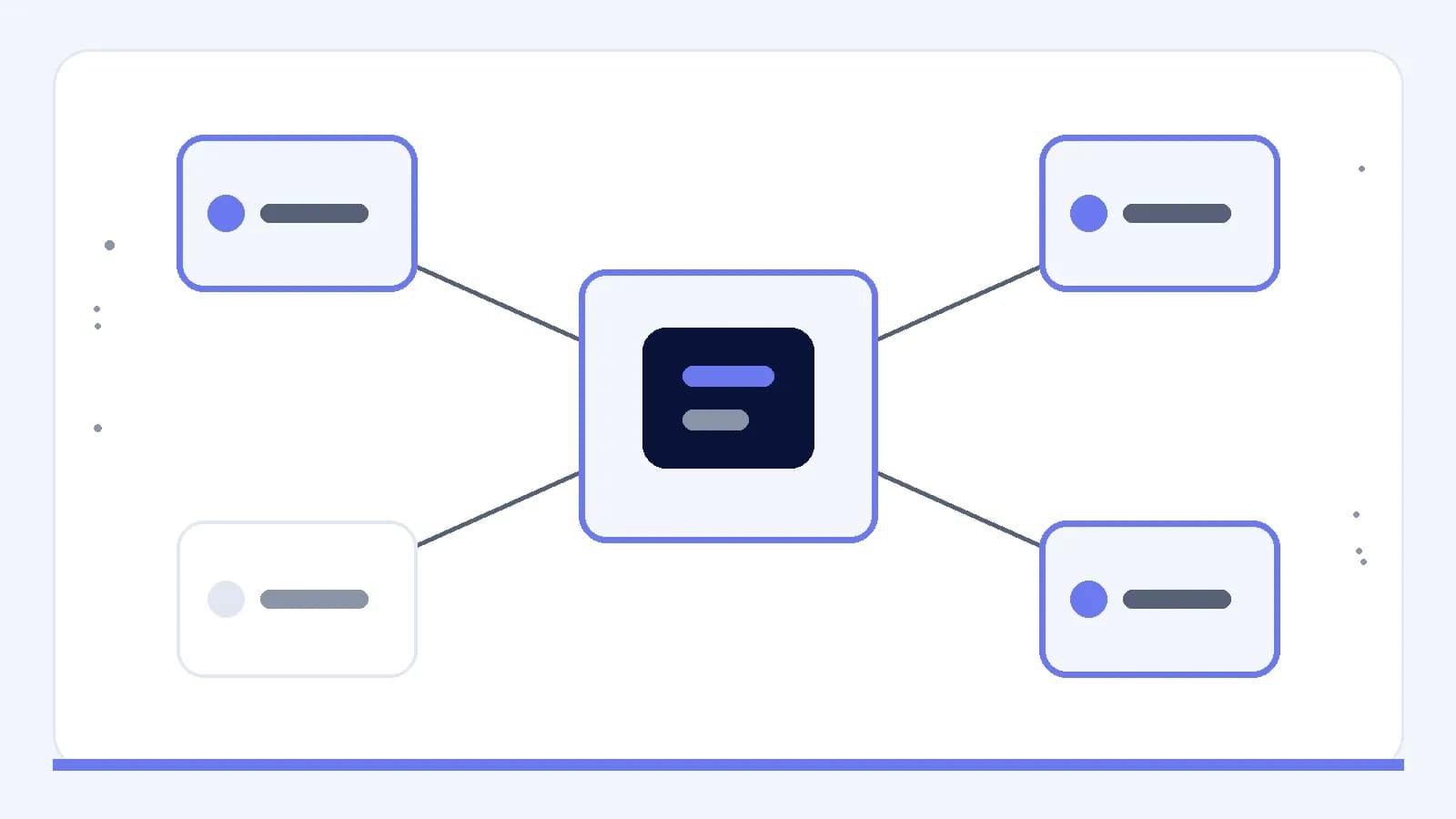
Review complexity as an ongoing budget
Complexity is easier to manage when it is reviewed as a continuing product cost rather than a one-time architecture decision. New structure should pay for itself through a current requirement, a verified constraint, clearer ownership or a specific reliability need. When that justification disappears, simplification becomes legitimate maintenance rather than cosmetic cleanup.
A practical review can use four questions: What need exists now, which boundary contains it, how reversible is the decision, and which states require explicit handling? Together, those questions preserve useful growth paths while resisting speculative machinery. The goal is not minimal code at any cost, but a product whose next change can begin from a structure the team can still explain.