Quality Signals for Testing an AI Product Feature
A practical framework for defining evaluation cases, reviewing outputs, measuring system behavior and deciding whether an AI feature is ready to change.
Supermoon Software / October 20, 2026 / 5 min read
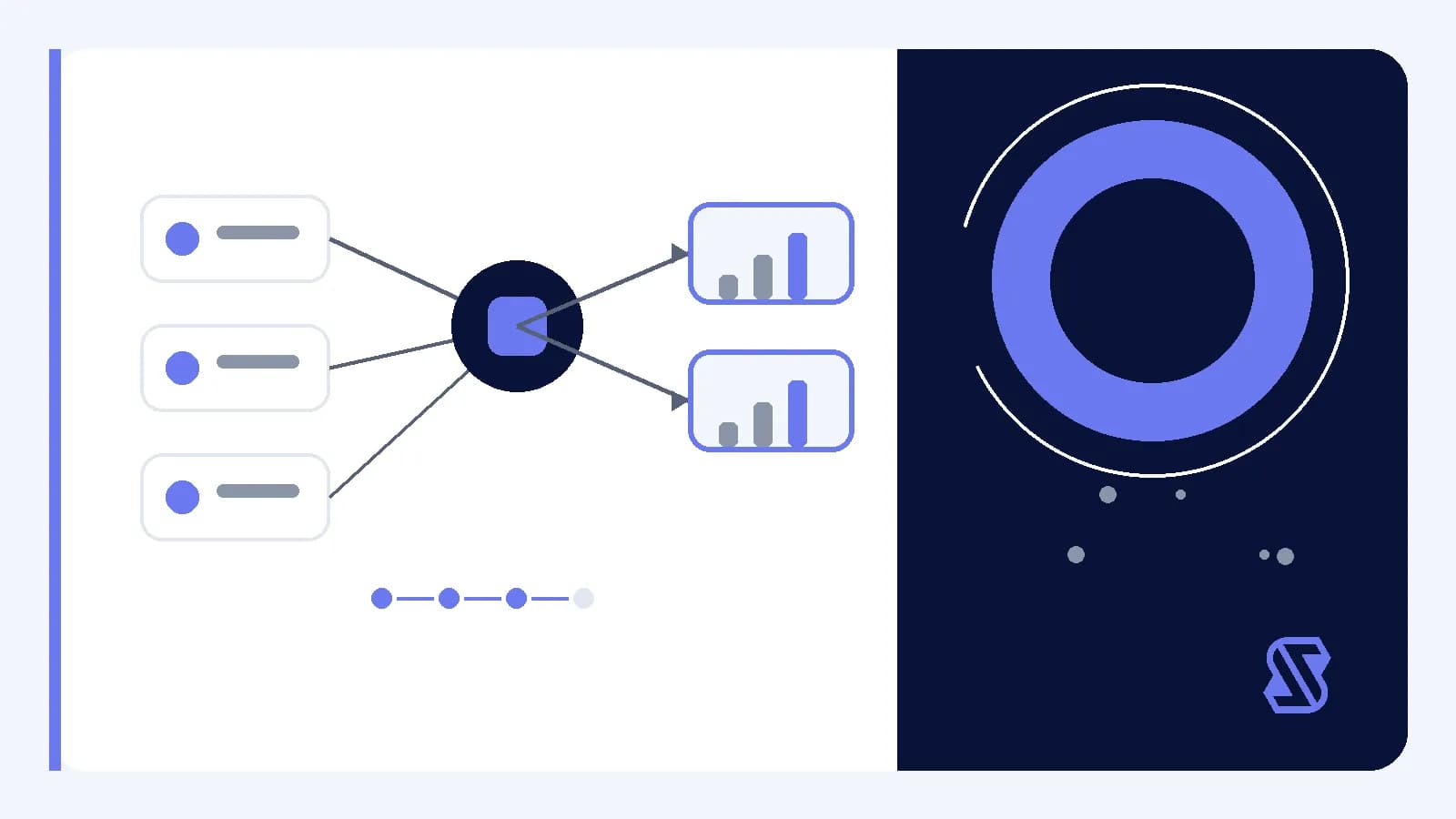
An AI feature can look convincing in a prepared demonstration while remaining difficult to judge as a product. The demonstration shows what the team selected, under conditions the team arranged. Evaluation asks a different question: what evidence would support a decision to release, revise, restrict or remove the feature?
Useful evaluation begins before anyone chooses a metric. A team needs to define the job, the acceptable boundaries and the consequences of failure. From there, it can assemble representative cases, combine automated checks with structured human review and monitor the complete product flow rather than treating a generated output as the whole experience.
Start with the product decision
The evaluation should identify the decision it is meant to inform. A broad goal such as measuring quality leaves too much room for interpretation. A practical goal names the task, the relevant conditions and the action the team might take after reviewing results.
- Decision relevance: Specify whether the result will guide release scope, interface changes, model selection or additional safeguards.
- Intended task: Describe what the feature should help accomplish without relying on a particular technical implementation.
- Acceptable failure: Separate minor inconvenience from errors that require blocking, correction or explicit human review.
- Operating boundary: Record which languages, input types, subject areas and workflows are included in the evaluation.
This framing prevents a favorable aggregate result from obscuring a failure that matters to the product. If unsupported statements are unacceptable in a research aid, for example, fluent wording cannot compensate for weak source alignment. The corresponding evaluation should therefore test whether generated claims can be connected to the supplied material, not merely whether the response sounds polished.
Build an evaluation set from real conditions
An evaluation set is a maintained collection of inputs, expected properties and review notes used to test a feature repeatedly. It should include routine cases, difficult cases and inputs that sit outside the intended boundary. The aim is not to predict every possible request, but to expose the conditions that matter to the current product decision.
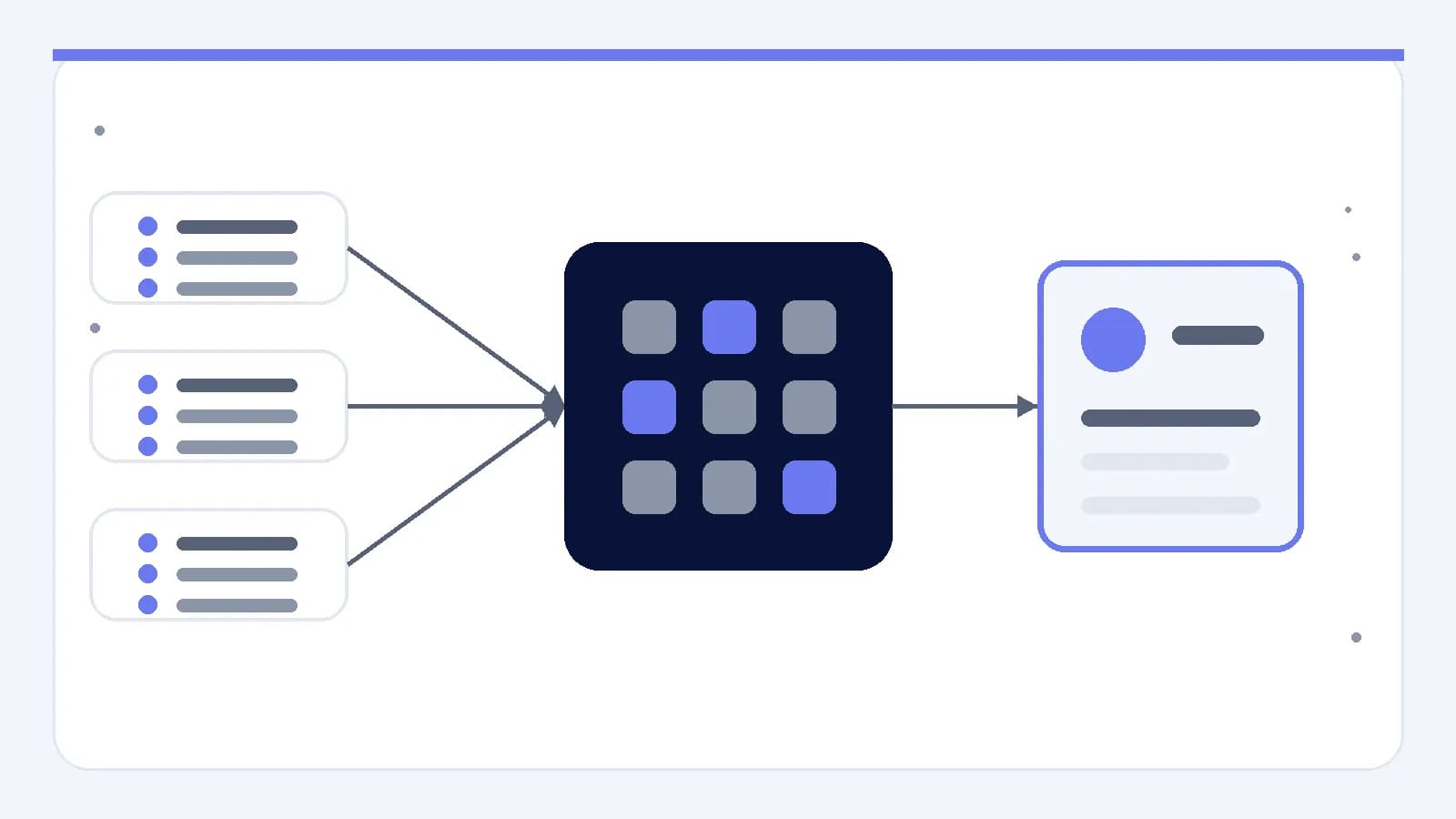
A useful set can draw from approved internal examples, deliberately constructed scenarios and sanitized operational material where appropriate. Each case should explain why it exists and what a reviewer should inspect. If an example depends on context, that context belongs in the case definition rather than in the reviewer’s memory. Sensitive material should be excluded or handled under the product’s established data rules.
Use signals that describe different failures
No single signal captures product quality. Automated checks can identify properties that are easy to define consistently, while human review can assess meaning, usefulness and ambiguity. The team should choose each signal because it maps to a known product risk, not because the signal is convenient to calculate.
- Task completion: Did the output satisfy the specific instruction and preserve required constraints?
- Groundedness: Can relevant claims be traced to the information supplied for that case?
- Format adherence: Did the result follow the structure needed by the surrounding workflow?
- Refusal quality: When the request was outside scope, did the feature avoid proceeding and provide an appropriate next step?
- System performance: Did processing time, failure handling and resource use remain within the team’s defined operating limits?
A score should retain enough detail to explain what failed. Groundedness, for example, should not be merged with writing quality if those signals lead to different fixes. If an implementation exposes a confidence value, the team should verify what that value represents before using it. It should not be treated as a substitute for evidence tied to the task.
Make human review repeatable
Human review becomes more useful when reviewers apply the same written criteria to the same material. A rubric is a set of defined judgment categories with examples of acceptable and unacceptable results. It should describe observable properties rather than asking whether an answer simply feels good.
- Write a short criterion for each product risk, including the evidence a reviewer should examine.
- Test the rubric on a shared sample and discuss cases where reviewers interpret it differently.
- Revise ambiguous language, then record the reasoning behind difficult judgments for future reference.
- Review cases without unnecessary implementation labels when those labels could influence the judgment.
- Escalate consequential disagreements to a named product decision rather than averaging them away.
A failure taxonomy, meaning a consistent set of failure categories, helps connect review findings to product work. Categories might distinguish missing information, unsupported content, ignored instructions and interface recovery problems. The exact labels should reflect the feature. They are useful only when a team can connect them to an owner, an investigation or a scope decision.
Evaluate the complete product loop
The generated text, image or action is only one part of the feature. Evaluation should also cover input preparation, retrieval of supporting material, interface controls, status communication, error recovery and any human approval step. The relevant components depend on the implementation and should be verified as part of the test plan.
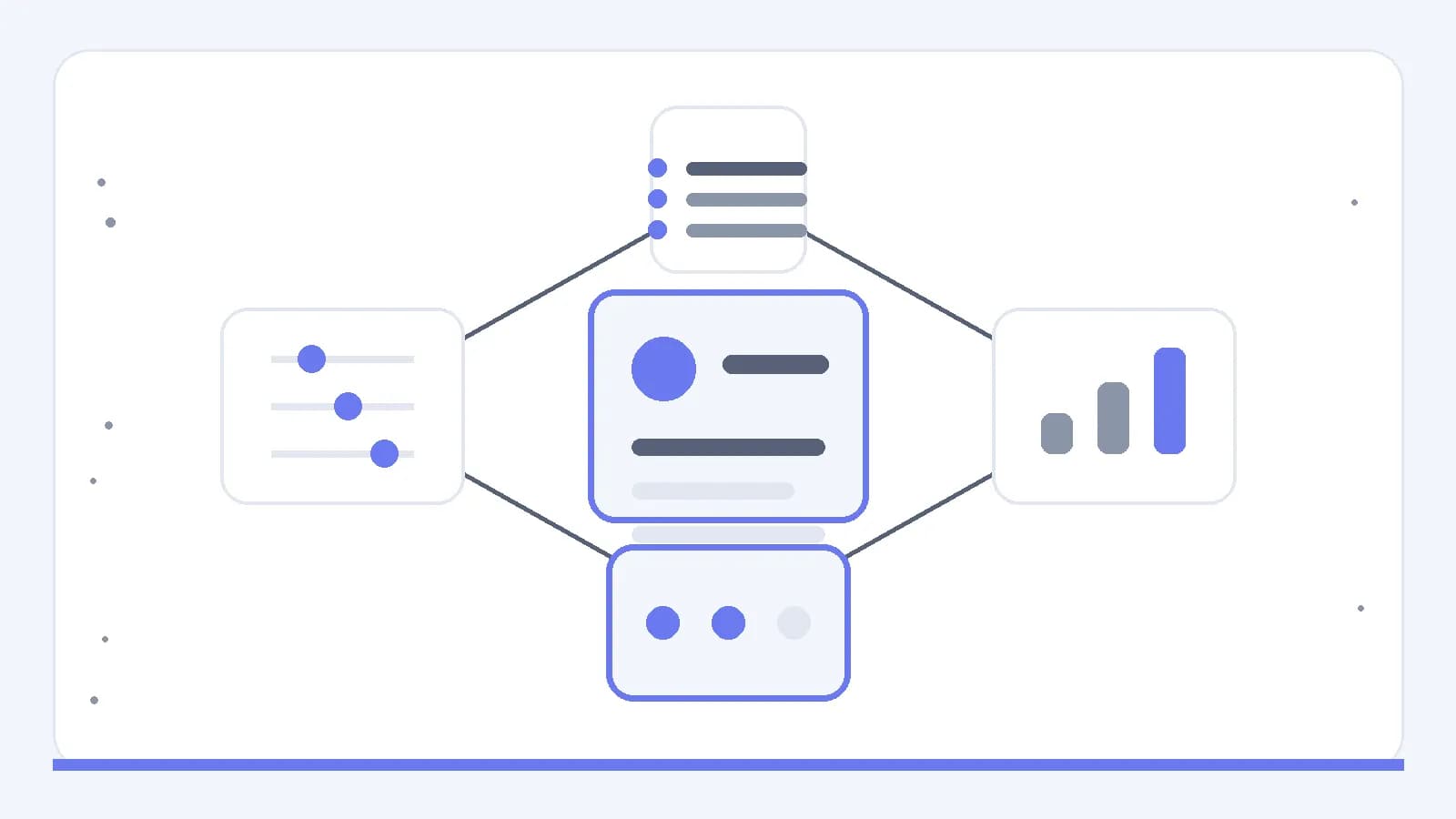
- Input checks should cover missing context, conflicting instructions and material outside the supported boundary.
- Status checks should confirm that the interface represents waiting, failure and completion according to the intended flow.
- Human controls should test whether review, correction, cancellation and reversal are available where the product requires them.
- Change checks should look for regression, meaning a previously acceptable case that becomes unacceptable after an update.
This system view also clarifies where a fix belongs. A weak result may call for clearer input guidance, better source selection, narrower scope or an additional approval step rather than a change to the model. Recording the suspected layer keeps the evaluation from collapsing every problem into a single output score.
Turn findings into release boundaries
The final review should connect evidence to explicit product choices. The team can identify which cases must pass, which failures require human control and which conditions remain outside the supported scope. Results should be stored with the case definitions, rubric and relevant implementation configuration so that later evaluations remain interpretable.
A practical framework therefore joins a defined decision, a maintained evaluation set, distinct quality signals, repeatable human review and checks across the full product loop. The purpose is not to produce a perfect score. It is to make the next decision legible: release within a stated boundary, revise a specific layer, add a control or withhold the feature until a material failure is understood.