Product Education That Earns Attention Honestly
A practical framework for creating product education that answers real questions, connects with onboarding and avoids turning useful advice into a concealed pitch.
Supermoon Software / September 25, 2026 / 6 min read
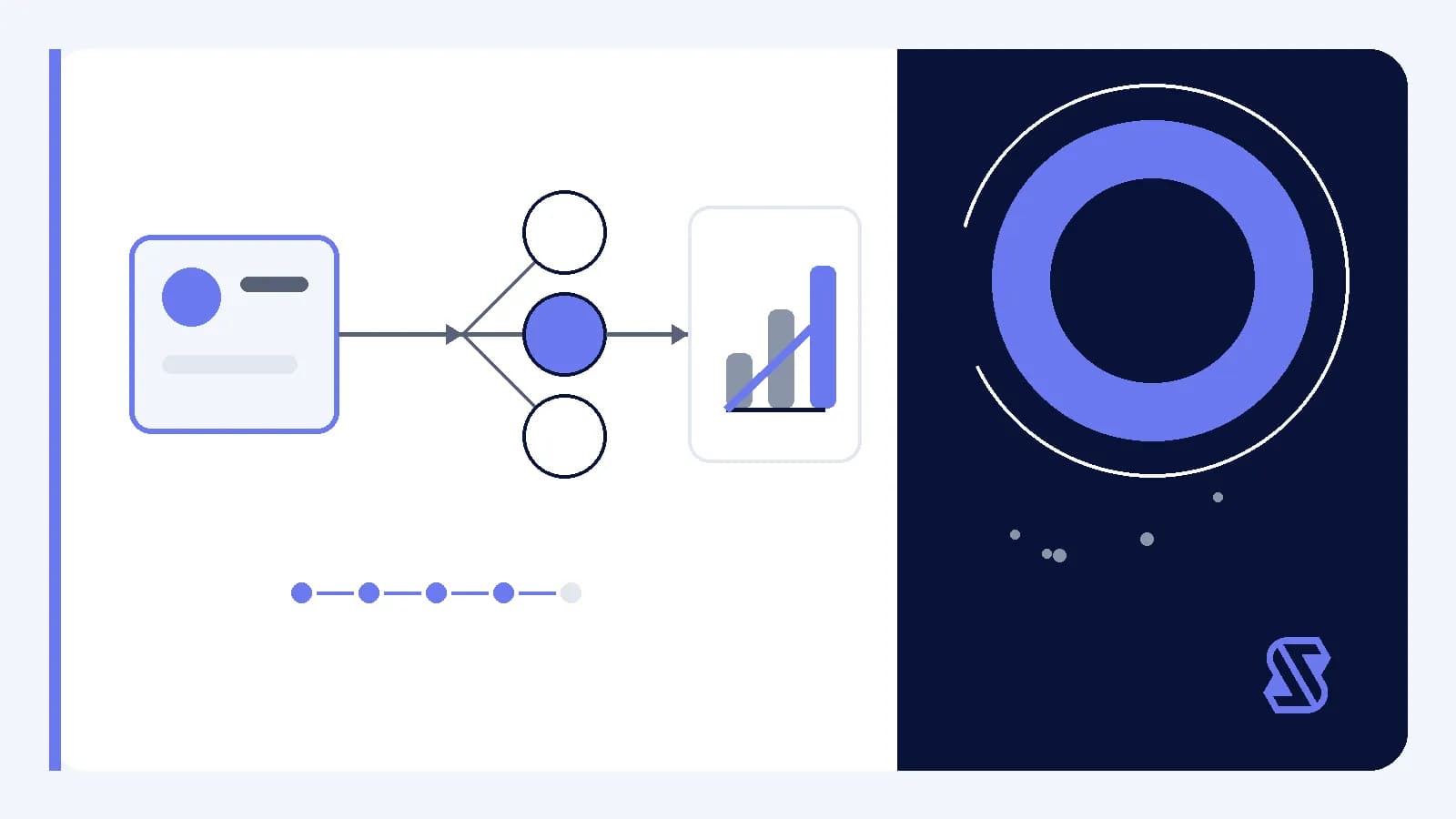
Product education has a credibility problem when an article appears to explain a task but steadily narrows toward one product as the only sensible answer. The information may be accurate, yet the structure still creates pressure. A reader cannot easily separate the transferable lesson from the commercial objective.
A better editorial standard is to make the advice useful before any product enters the picture. The lesson should clarify a decision, expose a tradeoff or provide a method that can be applied elsewhere. Product context can support that work, but it should not quietly redefine education as a long introduction to a purchase.
Separate the lesson from the commercial path
Useful education begins with a question that remains meaningful without a product name. Instead of asking how to promote a feature, ask what decision the feature helps someone make. This shifts the work from feature description toward a durable topic such as organizing information, reducing setup friction or choosing an appropriate level of control.
The commercial path can still exist, but it should be treated as a separate layer. A team can evaluate the educational value of a draft by temporarily removing product references. If the remaining material becomes vague, the piece probably relies on product exposure rather than explanation. If it still offers a coherent method, the product can appear as context rather than proof.
- State the practical question before describing any product response.
- Explain tradeoffs that remain relevant across different tools.
- Label product-specific guidance as product-specific guidance.
- Remove claims that depend on hidden evidence or unsupported assumptions.
Define an honest educational contract
An educational contract is the implicit agreement about what a piece will help the reader understand. The title, opening and structure should all support the same agreement. A guide framed around evaluating a workflow should not become a feature tour halfway through, and a product tutorial should not pretend to be independent category advice.
The contract also helps set boundaries. A focused article does not need to answer every related question, but it should identify the decision it covers and the conditions that may change the answer. When implementation depends on an external platform, operating system or marketing tool, the draft should tell the team to verify those conditions rather than state them as fixed behavior.
- Name the decision the reader should be able to make.
- Identify the assumptions that shape the recommendation.
- Distinguish general principles from product implementation details.
- Check that the ending fulfills the opening promise without introducing sales pressure.
Connect acquisition messages with first-run learning
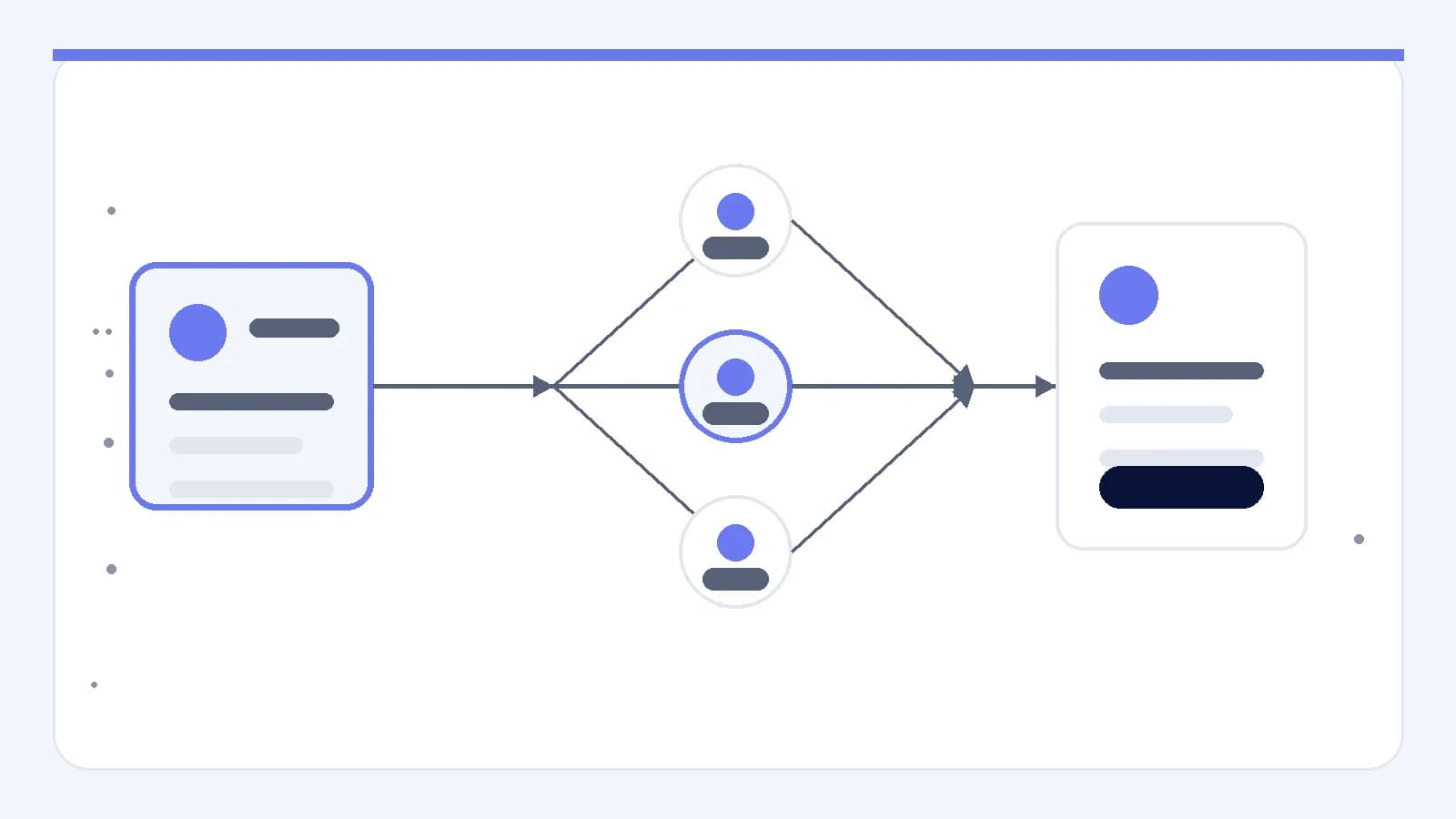
An acquisition message is the message that introduces a product before someone begins using it. First-run onboarding is the initial in-product guidance that helps a new account or installation understand what to do next. These surfaces serve different contexts, but their educational logic should align. A message that emphasizes control should not lead into onboarding that explains only speed or convenience.
Several audience paths may begin with different questions while still converging on the same onboarding. The design task is not to invent a separate product story for every path. It is to preserve the relevant context long enough for the shared experience to make sense. That may require adjusting examples, entry screens or guidance, subject to the product’s verified implementation constraints.
- Record the question attached to each acquisition path.
- Map each question to a specific onboarding explanation.
- Keep terminology consistent across the transition.
- Remove promises that the first-run experience cannot directly support.
- Verify any platform-dependent handoff before publishing instructions.
Measure whether the lesson and product agree
Measurement should test the connection between the educational promise and the product experience, not merely whether a page generated activity. Instrumentation means the events and properties recorded to examine what happened inside a defined flow. A useful measurement plan begins by naming the behavior that would indicate understanding, then checking whether the product can observe it without treating every action as proof of intent.
For example, a team might publish guidance about choosing a setup based on desired control. The relevant question would be whether the corresponding onboarding makes those controls understandable and available under the conditions described. A click alone would not answer that question. The team would need a small set of product signals, support observations or direct review criteria that match the lesson.
Build a closed learning loop
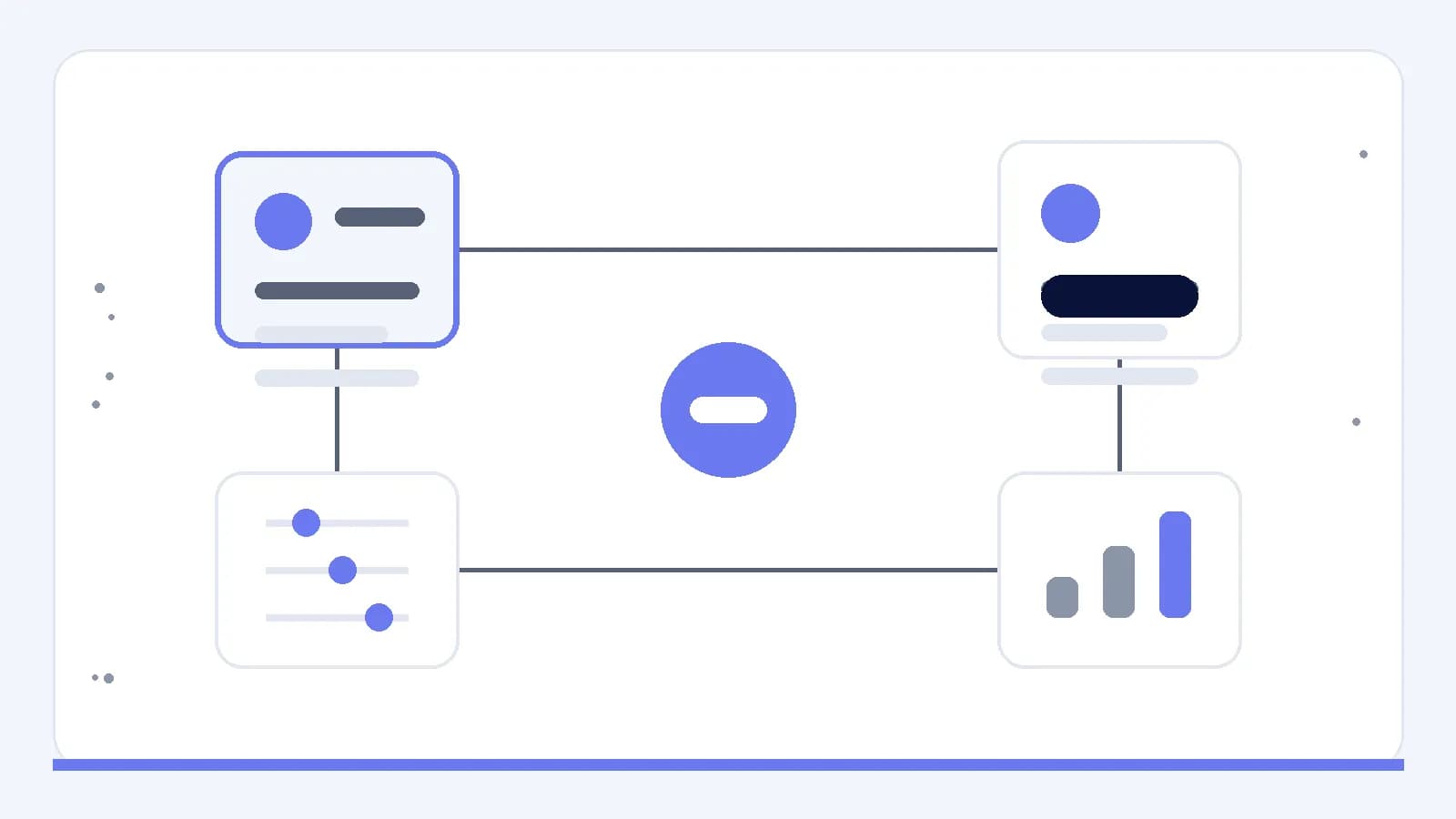
A closed learning loop connects the message, onboarding, measurement and product controls so that each part can inform the next editorial decision. This does not mean automatically changing copy whenever a metric moves. It means preserving enough context to examine whether the message attracted the intended question, whether onboarding addressed it and whether the relevant controls supported the explanation.
The loop should also allow for disagreement between the article and the product. If education reveals a useful distinction that the interface cannot express, rewriting the lesson to hide the gap would weaken both. The better decision may be to narrow the claim, revise onboarding, adjust a control or postpone the topic until the product can support it clearly.
- Review the original educational promise alongside the first-run flow.
- Examine signals only within the context they were designed to represent.
- Treat mismatches as editorial or product questions, not automatic copy problems.
- Document which assumptions require verification after an interface change.
Keep editorial review independent enough to be useful
A practical review process should let someone challenge the premise, not only polish the wording. Reviewers can ask whether the advice would remain sound for a reader who never chooses the featured product. They can also inspect whether examples teach a method or merely arrange circumstances so that one predetermined answer appears inevitable.
Product accuracy still matters. Editorial independence is not a reason to describe controls, platforms or integrations loosely. Product and technical reviewers should verify implementation details, while an editorial reviewer protects the educational contract. Separating these responsibilities makes it easier to find unsupported claims, hidden assumptions and transitions where advice quietly turns into persuasion.
Choose the lesson before choosing the funnel
The practical sequence is straightforward: define a transferable question, state the assumptions, separate general guidance from implementation details and connect the resulting lesson to onboarding. Then select measurements that can test whether the message and product experience agree, without treating activity as automatic evidence of understanding.
This framework leaves room for marketing while keeping the advice legible on its own terms. The central decision is whether each element helps explain the problem or merely increases pressure toward a product. When that distinction remains visible from acquisition through product controls, education can support attention without disguising the reason it was published.