Permission Requests as Part of the Product Journey
A practical framework for deciding when mobile apps should request access, what context to provide and how to handle every resulting state.
Supermoon Software / August 7, 2026 / 5 min read
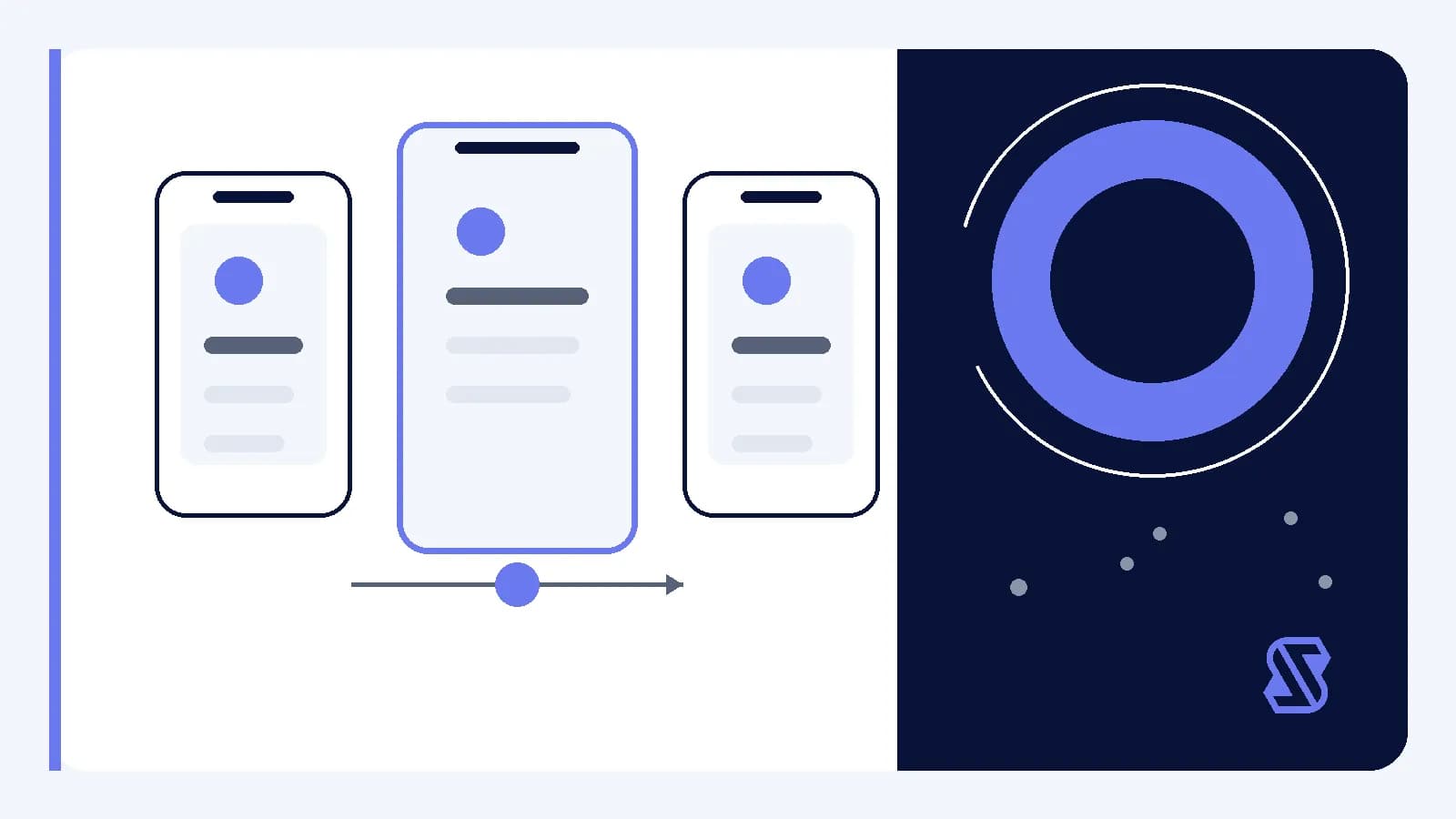
A mobile permission request is more than a technical checkpoint. It asks someone to make a decision about access, often while they are trying to complete another task. The product team controls much of the surrounding experience: when the request appears, what context precedes it and what the app does after the decision.
Treating permissions as part of the product journey creates a clearer design problem. Instead of asking how to increase acceptance, ask what access is necessary, when its purpose becomes concrete and whether the app remains useful without it. This framing connects trust to understandable choices rather than persuasive wording.
Treat each request as a product decision
Every request should begin with a specific capability and a defined reason. A capability is the user-facing action that depends on access, such as attaching a nearby photo or recording audio within a note. If the team cannot connect access to an immediate action, the request may be premature, unnecessary or too broad.
- Identify the action that requires access.
- Confirm which permission scope supports that action.
- Decide what remains available without access.
- Document how the app handles a changed decision.
This exercise separates implementation convenience from product necessity. Requesting access during first run may simplify one branch of development, but it can remove the context needed to evaluate the request. Delaying access may create additional interface states, yet those states can make the relationship between action and permission easier to understand. The appropriate balance depends on the feature and the conditions verified for each supported platform.
Use progressive disclosure to preserve context
Progressive disclosure means presenting information and choices when they become relevant, rather than exposing every decision at once. For permissions, this usually suggests waiting until a person initiates a related action. A camera request connected to an explicit capture action has clearer context than the same request presented before the app has established what the camera would enable.
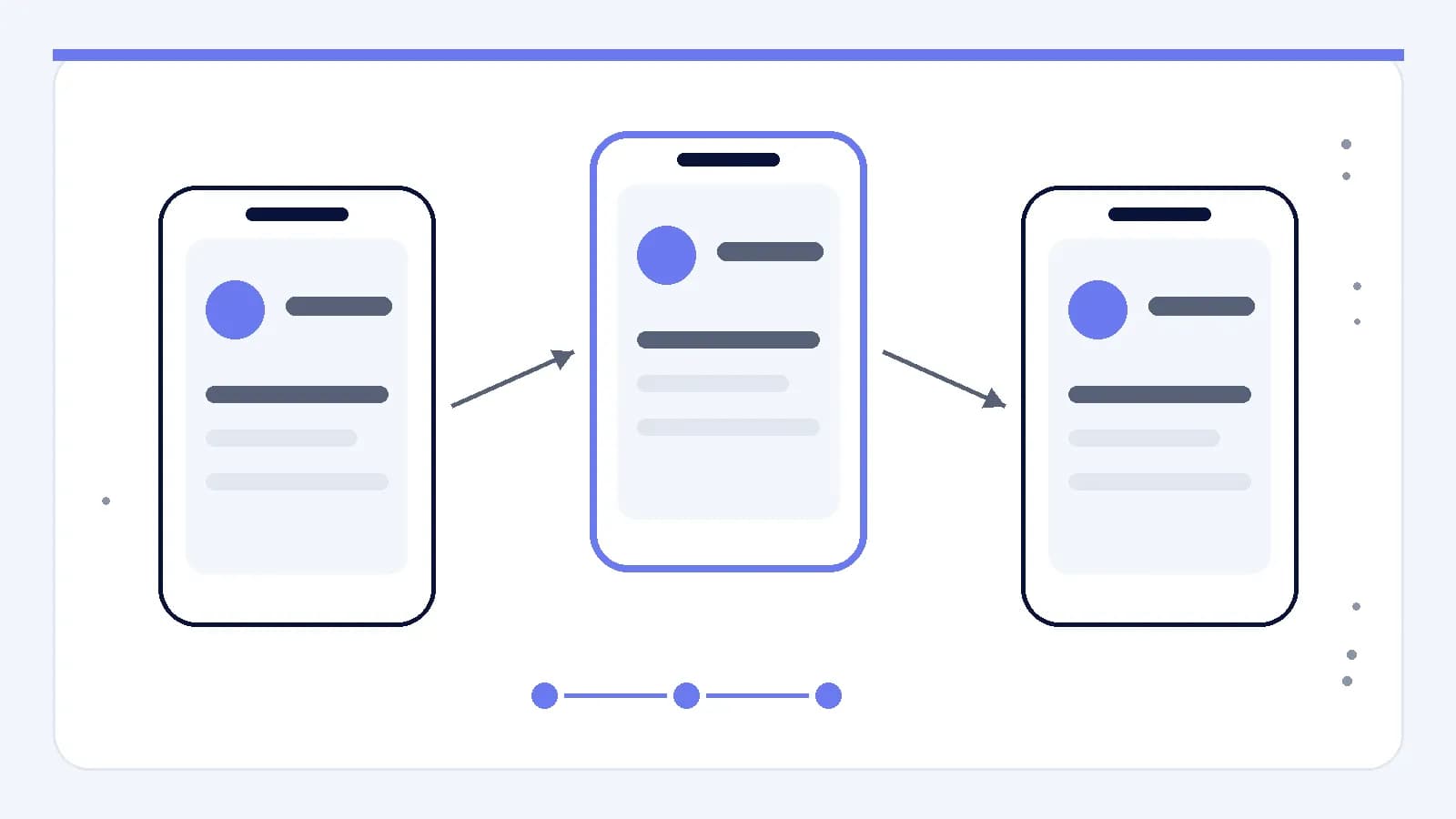
The journey should still be designed as a sequence rather than as an isolated prompt. Consider the state before the request, any explanation the app provides, the system-controlled step that may follow and the destination after a decision. The team should verify which parts of that sequence can be controlled on each platform. Progressive disclosure is useful only when the later step feels connected to the action that triggered it.
Design the explanation and handoff together
An app-level explanation can prepare the decision without imitating or predicting a system interface. This explanation, sometimes called a pre-permission screen, is a product-controlled view shown before a platform-controlled request. It should clarify the immediate purpose of access and describe any meaningful alternative. Whether such a screen is appropriate depends on the complexity of the request and the implementation conditions of the platform.
- Name the action the person just selected.
- Explain why that action needs the requested access.
- Describe a practical path that does not require access, if one exists.
- Continue into the verified platform flow without adding pressure.
The wording should remain aligned across the feature, the app-level explanation and any platform-controlled text the team can configure. A mismatch creates ambiguity even when each sentence appears reasonable on its own. Review these surfaces as one handoff, while recognizing that the platform portion may have constraints the product team must confirm during implementation.
Model permission states, not only prompts
A state model is a map of the conditions an interface may encounter and the response assigned to each one. For a permission-dependent feature, the model should cover more than the initial decision. It may need to distinguish access that is available, unavailable, limited, unknown or changed outside the current flow, subject to what the target environment actually exposes.
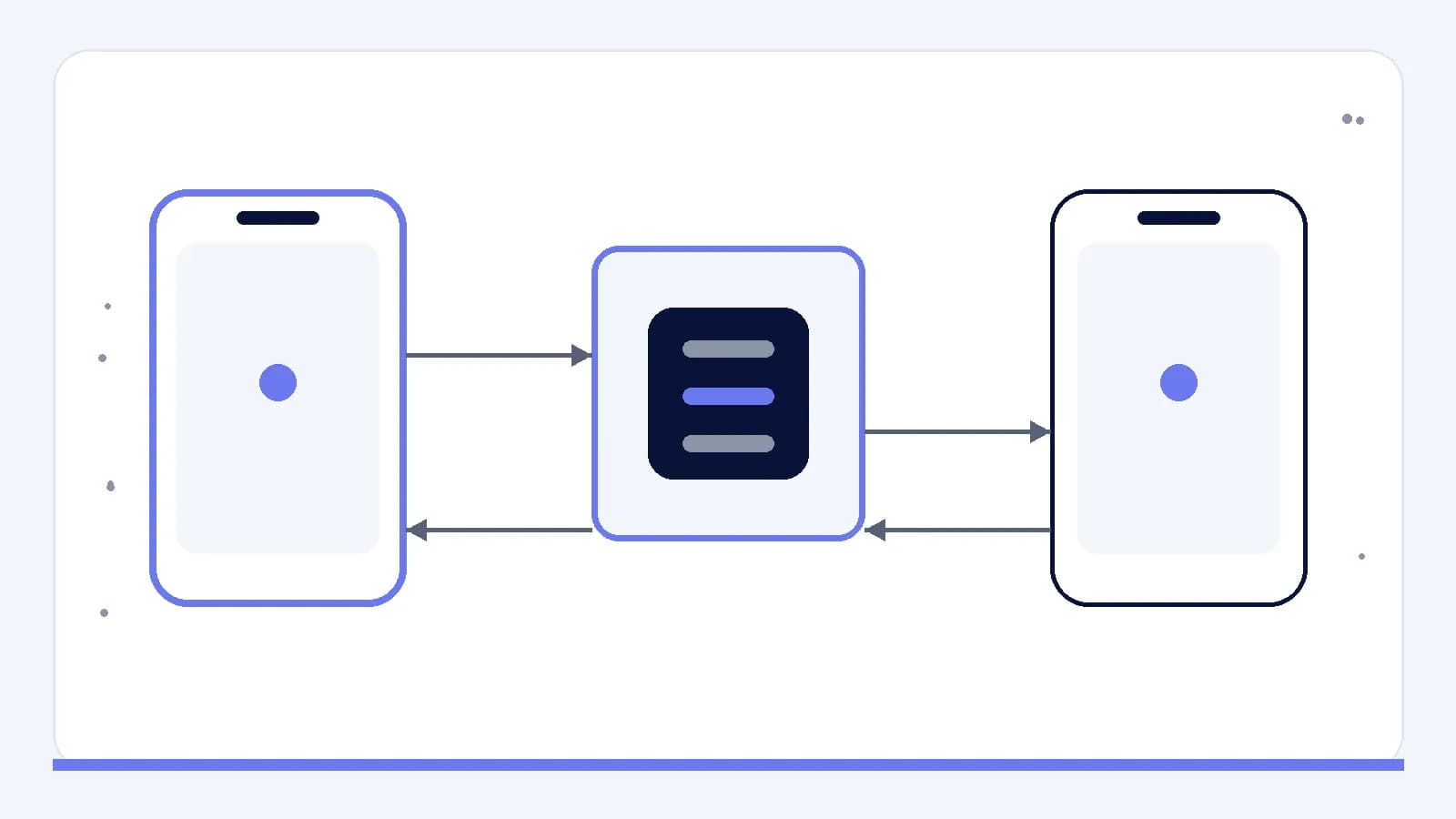
A complete state model keeps permission logic from leaking into unrelated screens as scattered exceptions. It also helps design, engineering and quality review discuss the same conditions. Each state should lead to a useful interface response rather than a dead end or a repeated request that no longer makes sense.
- Available access leads directly to the requested capability.
- Unavailable access preserves unrelated functions and explains the limitation.
- Limited access adapts the feature where the verified platform state allows it.
- Unknown access triggers the appropriate contextual decision point.
- Changed access refreshes the interface before another dependent action proceeds.
Review necessity, timing and recovery
A permission review can be run feature by feature before implementation and repeated when the feature changes. The purpose is not to produce a universal rule. It is to make assumptions visible, especially assumptions about what the platform supports, how much access the feature needs and whether a fallback is genuinely useful.
- Necessity: Can the action work without this access or with a narrower scope?
- Timing: What user-initiated event gives the request a clear reason?
- Explanation: Which detail is needed before the decision, and which can wait?
- Fallback: What useful path remains if access is unavailable?
- Recovery: How should the interface respond if the state changes later?
The review should include the return path as well as the request path. If the supported environment provides a way to reconsider access, the app can explain where the dependent feature stands without assuming the next decision. If reconsideration is unavailable or inappropriate, the interface should avoid presenting controls that cannot complete the intended action.
Build trust through a coherent permission sequence
A restrained permission strategy follows from a few connected decisions: request only what a defined capability needs, wait for relevant context, explain the immediate purpose and design every verified state. Trust is not a separate message added to the prompt. It is reflected in whether the sequence remains understandable before, during and after the decision.
The practical next step is to choose one permission-dependent feature and map its full journey. Mark the triggering action, product-controlled explanation, platform-controlled handoff, possible states, fallback and recovery route. That map gives the team a concrete basis for removing unnecessary access, correcting weak timing and making the remaining choices easier to understand.