From Acquisition Message to First-Run Experience
A practical framework for carrying an app’s acquisition promise through setup, first use, edge cases and the product decisions that follow installation.
Supermoon Software / July 17, 2026 / 5 min read
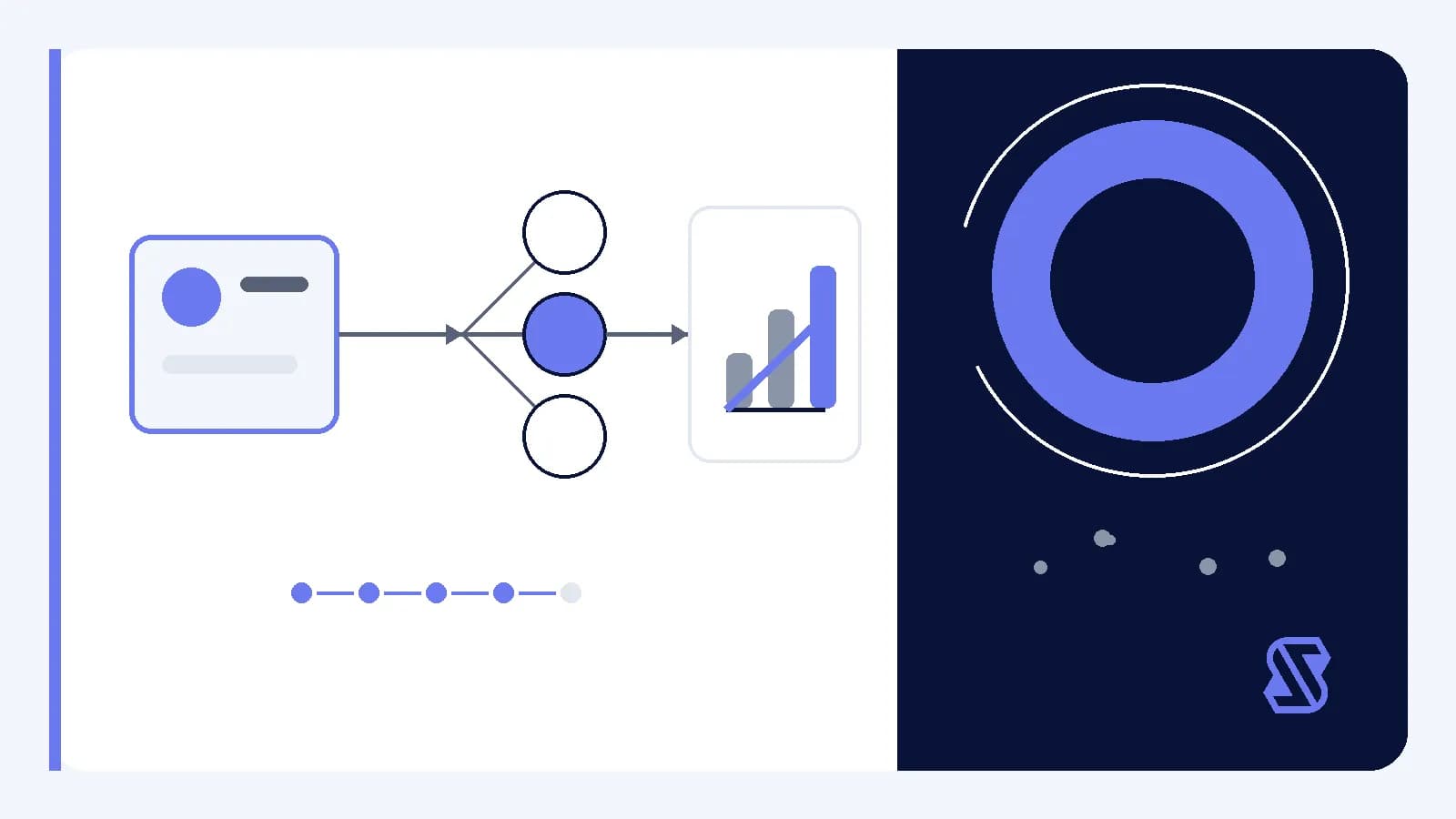
An acquisition message is the promise presented before someone installs an app. It may emphasize a task, a problem, a feature or a particular use case. The first-run experience is the sequence a person encounters when opening the app for the first time. Connecting these two parts of the journey means treating the message as an input to product design, not as material that disappears once installation is complete.
A useful framework can be built around four elements: the promise being made, the conditions attached to it, the evidence the product can show and the next meaningful step. These elements help marketing, product, design and engineering examine the same journey without assuming that every acquisition message requires a separate product flow.
Treat the acquisition message as a product input
Begin by writing a message contract, a short internal description of what the acquisition material asks the product to support. It should identify the promised task, the intended context and any limitation that affects delivery. This is not customer-facing copy. It is a design constraint that lets the team compare what is presented before installation with what the app can responsibly demonstrate afterward.
A broad message such as helping someone plan a project leaves several possible first steps. A narrower message about collecting project notes creates a more specific obligation. The team should ask whether that task is available immediately, requires setup or depends on information the app does not yet have. If continuity relies on attribution, meaning information about which acquisition source led to an installation, the availability, accuracy and privacy implications of that information must be verified for each implementation environment.
Translate the promise into observable product moments
- For each message, define the product evidence that would make the promise concrete.
- Evidence could be a visible tool, a relevant starting state, an example workspace or a clear route to the promised task.
- The goal is not to restate the marketing copy inside the app. It is to let the interface demonstrate that the message corresponds to something real and reachable.
An acceptance criterion is a specific condition used to decide whether a design supports its intended purpose. For message continuity, one criterion might be that a person arriving for a named task can identify where to begin without first interpreting unrelated features. Another might require the app to explain why setup is necessary before requesting it. These criteria should describe observable interface conditions rather than assumptions about how every person will respond.
Design a path from setup to useful action
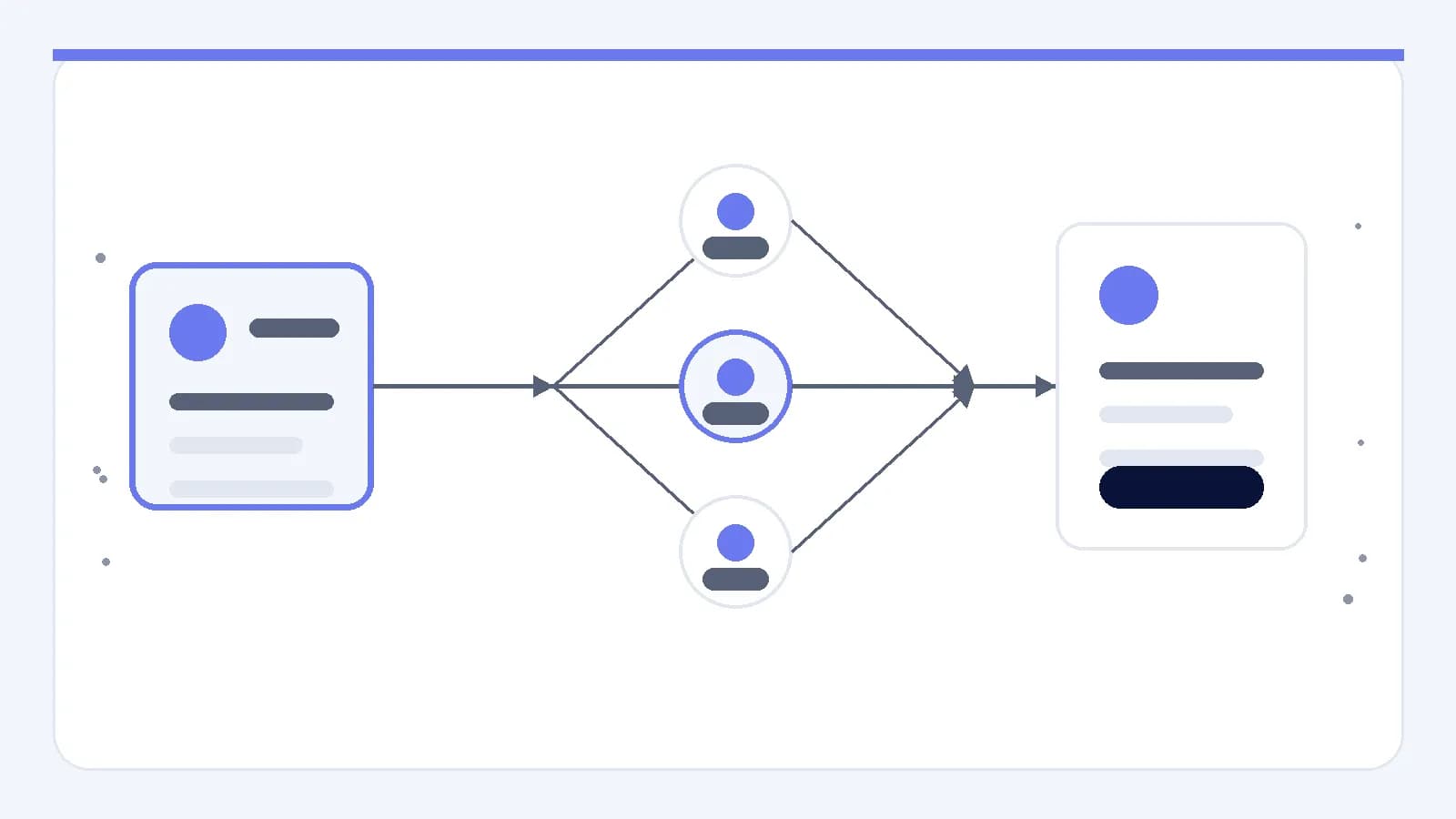
Onboarding is the introductory flow that helps someone configure or understand an app. It should preserve the vocabulary and scope of the acquisition message while introducing only the information needed for the next step. If the message concerns organizing documents, for example, the opening flow should not suddenly frame the product around an unrelated category. Shared language gives the journey continuity without requiring a custom screen for every campaign.
Account creation, permissions, data import and preference selection can interrupt the route to the promised task. Each interruption should have a product reason and a clear relationship to what follows. Teams should verify which sequencing, permission language and source information are available on each target platform rather than designing around assumed platform behavior. When a requirement can be postponed safely, allowing the promised task to become visible first may produce a more coherent sequence.
Plan for message variation and imperfect context
- Several acquisition messages may point to the same app, and the product may not always know which one preceded installation. A resilient design therefore needs a useful default path.
- That path can present a small set of task-oriented choices, using language broad enough to cover the supported promises without pretending to know the person’s origin.
- If reliable context is available, it can refine the starting point rather than determine whether the experience works at all.
Mismatch also needs an explicit design response. A feature may require unavailable data, a connection may fail or the promised task may not apply to the current device context. In those cases, the interface should state what is missing, preserve any completed work and offer a sensible route forward. The acquisition message should not be echoed as though fulfillment has already occurred. Continuity depends on accurate status as much as matching language.
Measure the handoff without reducing it to a funnel
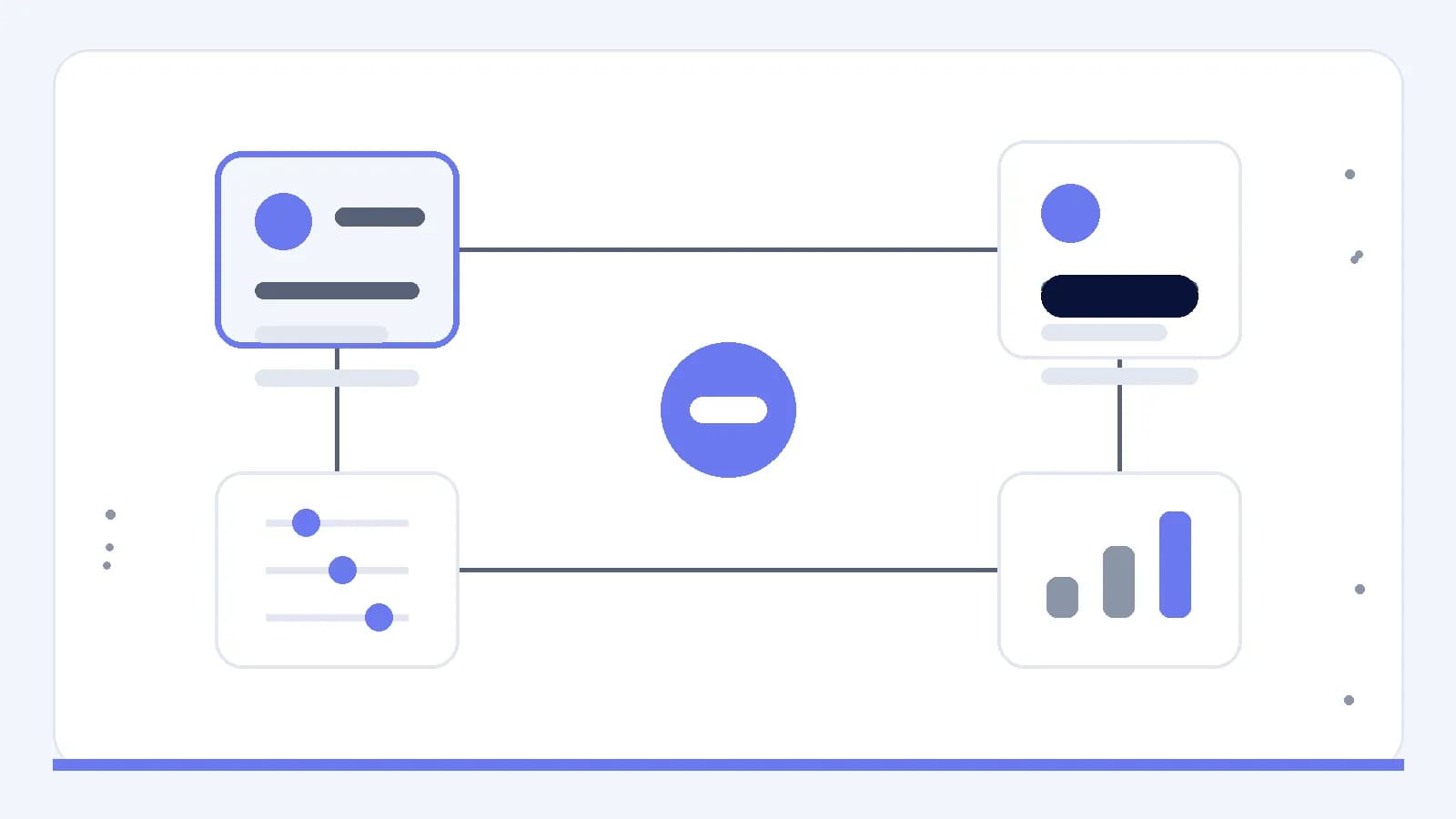
Instrumentation is the collection of structured product events, such as reaching a setup screen or completing a first task. It can help a team inspect whether the designed path is functioning, provided the events are necessary, clearly defined and handled according to the product’s privacy requirements. Event names should correspond to meaningful states rather than vague labels such as engagement or success, which can hide what actually occurred.
Measurement should follow the message contract. If the promise concerns creating a plan, the relevant sequence might distinguish opening the planning area, supplying required information and saving an initial result. The team should not treat installation alone as evidence that the product delivered the promise. It should also avoid interpreting an incomplete path without checking whether technical errors, optional exits or missing context could explain it.
Review acquisition and product as one journey
A practical review can begin with the acquisition material and proceed through installation, first open, setup, the promised task and likely recovery states. At each stage, ask whether the language remains consistent, whether the next action is visible, whether requirements are explained and whether the product shows honest evidence of progress. Any source-dependent branching should be tested separately from the default path so that missing context does not conceal a weak core experience.
This review is most useful when ownership is shared. Marketing can clarify the promise and audience condition. Product and design can map it to interface states. Engineering can identify implementation constraints, while measurement work can define the events needed to inspect the handoff responsibly. The practical synthesis is straightforward: document the promise, identify its product evidence, design the shortest honest path to that evidence, prepare for missing context and review the complete journey before treating acquisition and first use as aligned.