Evaluating AI Features Beyond the Polished Demo
AI demos show possibility, not dependable product quality. This framework turns intended tasks, test cases, human review and release limits into practical signals.
Supermoon Software / July 28, 2026 / 5 min read
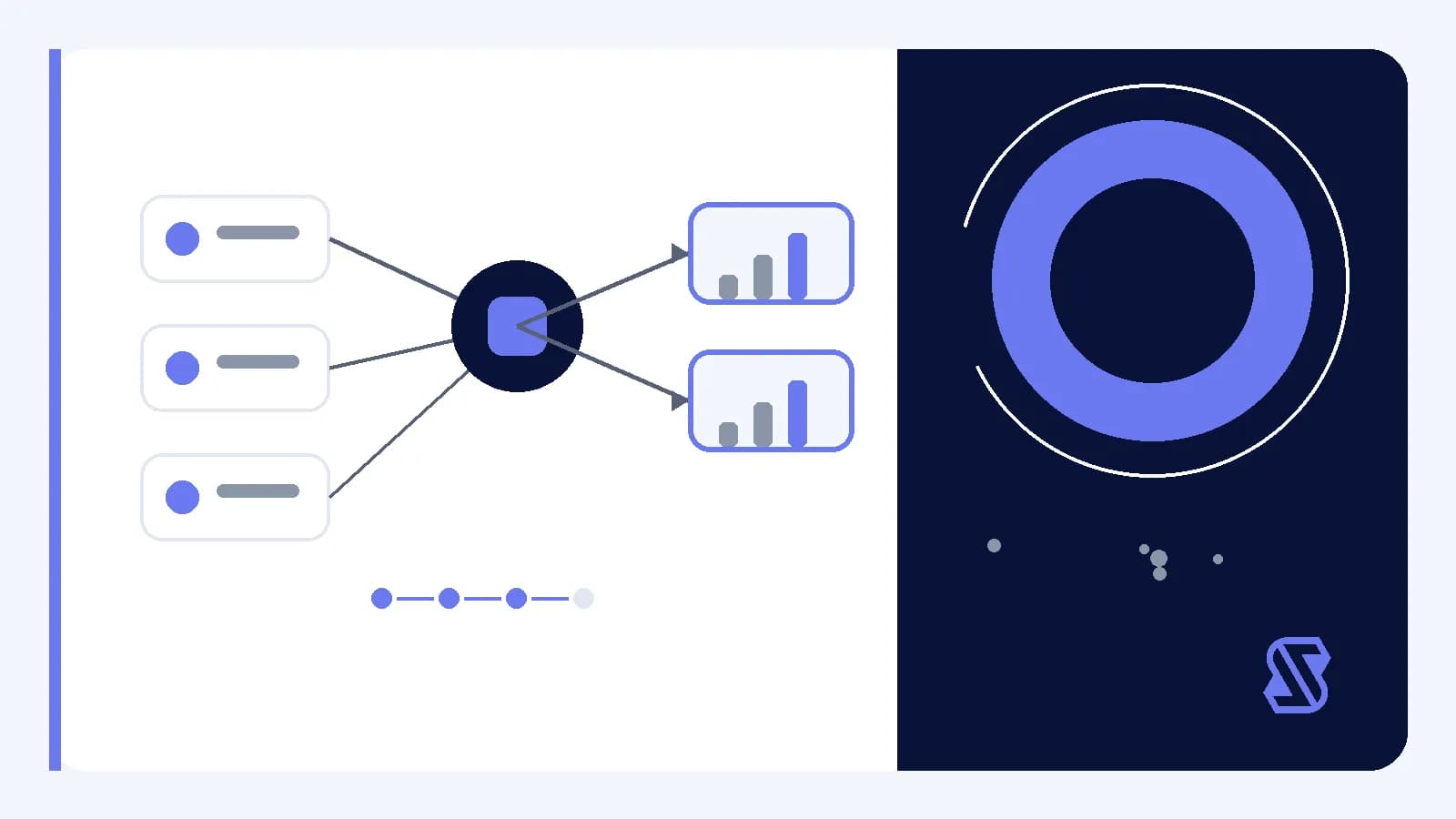
A polished demo answers a narrow question: can an AI feature produce a convincing result under chosen conditions? It does not establish how the feature handles ambiguous requests, weak source material, unusual inputs or tasks where an incorrect answer carries meaningful consequences.
A useful evaluation starts with the decision or task the feature is meant to support. Product teams can then collect representative test cases, define observable quality signals and decide where human judgment remains necessary. The goal is not to prove that a model is broadly intelligent. It is to determine whether a specific product design behaves acceptably within stated boundaries.
Define the job before judging the output
Begin with a concrete description of the feature’s job. Generate a summary is too broad to evaluate consistently. Produce a reviewable summary that preserves named decisions, unresolved questions and source references gives reviewers clearer criteria. The description should also state what the feature must not infer, omit or present as settled.
- The decision or action the output is intended to support
- The information that must remain visible, traceable or unchanged
- The errors that would require correction, rejection or escalation
- The conditions under which the feature should decline or request clarification
These boundaries turn evaluation into a product question rather than a performance spectacle. They also reveal whether the AI component is central to the task or merely convenient. If reviewers cannot describe an acceptable output without referring to how impressive it feels, the team needs a more precise account of the job.
Build an evaluation set around real conditions
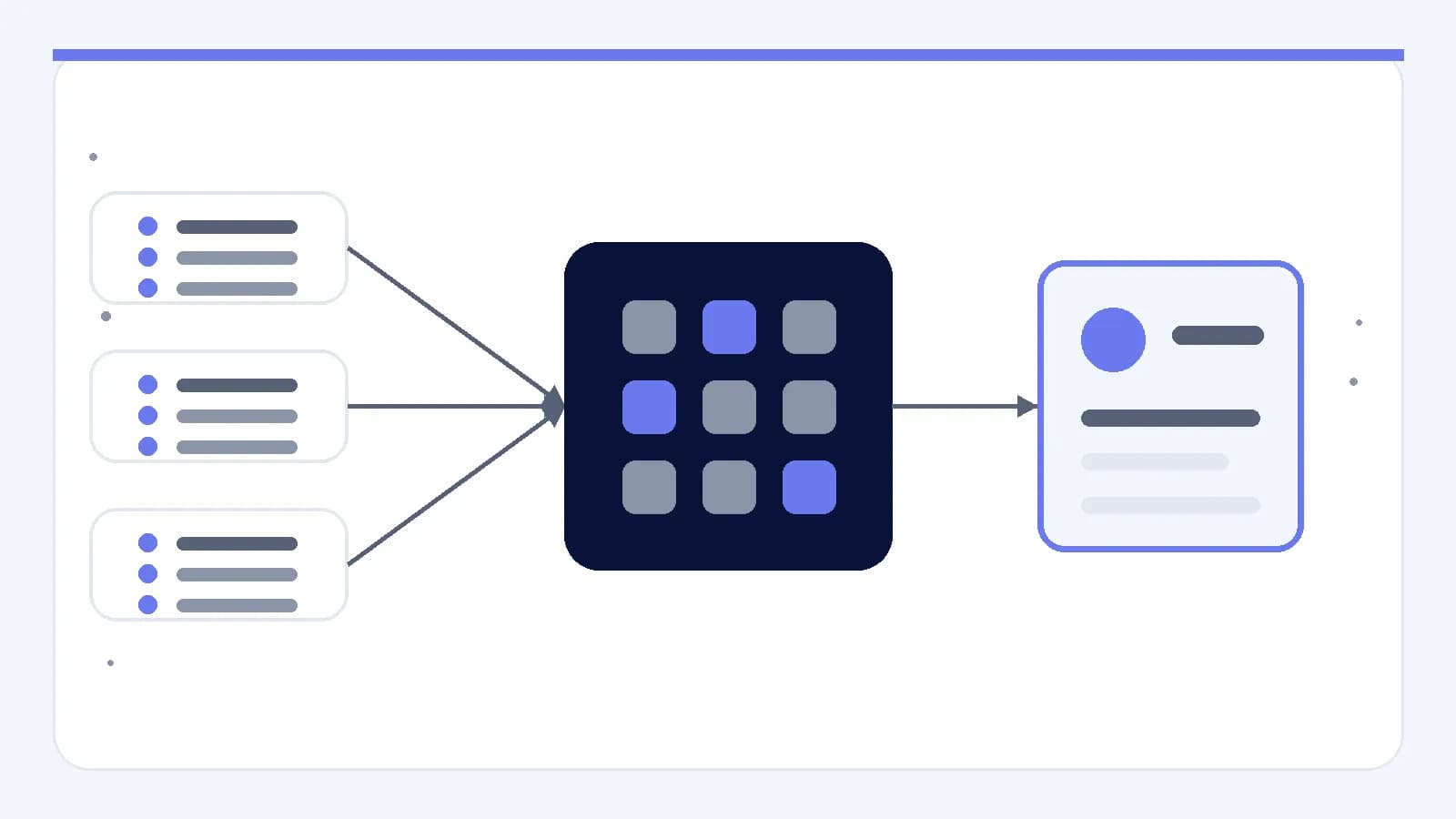
An evaluation set is a maintained collection of inputs used to examine a feature repeatedly. Each test case should include the input, relevant context, acceptable characteristics and known reasons for concern. The set can include routine examples, incomplete material, conflicting instructions and cases near the proposed product boundary.
An evaluation matrix, meaning a structured view that connects input conditions with review criteria, can expose missing coverage. For integrations with external systems, the team should verify available interfaces, data formats, permissions and failure responses rather than assuming stable behavior. Human reviewers can then examine the full path from input to output under documented conditions.
Choose signals that reveal useful differences
A quality signal is an observable property that helps a team compare outputs or detect risk. Signals should map to the feature’s defined job. A writing assistant may need instruction adherence and editability, while a classification feature may need clear category boundaries and a path for uncertain cases.
- Task fit: whether the output supports the intended decision or action
- Evidence alignment: whether important statements can be checked against provided material
- Constraint handling: whether required format, scope and exclusions are respected
- Recovery quality: whether correction or clarification produces a usable next state
- Response delay: whether processing time remains acceptable for the designed workflow
Not every signal needs to become an automated metric. Some qualities require structured human review, especially when several outputs could all be acceptable. A review guide can define what to inspect and how to record concerns without pretending that subjective judgments are perfectly interchangeable. Separate signals are usually more diagnostic than a blended quality label.
Separate model, system and interaction quality
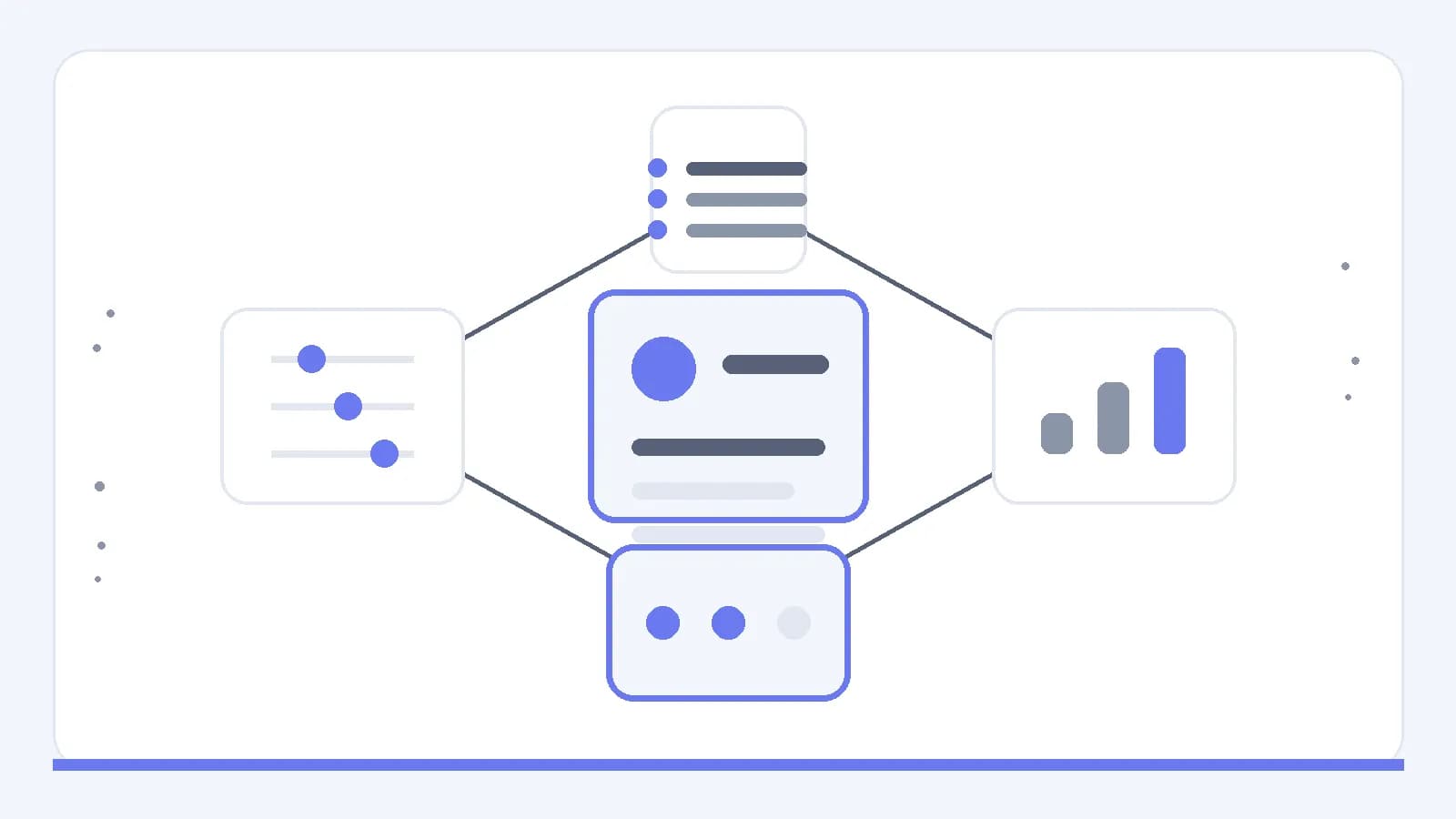
Model output is only one layer of an AI feature. The system layer may include a prompt, meaning the instructions and context sent to the model, along with retrieval, which means selecting source material to include. Product logic may also validate formats, restrict actions or route an output for review. Each layer should be examined independently where practical.
The interaction layer determines what context a person can provide, what state is visible and how corrections are made. A weak result might reflect missing input, unclear controls, unsuitable source selection or the chosen model. Tracing the result through these layers helps the team change the right component instead of repeatedly adjusting prompts without understanding the failure.
Run a controlled evaluation loop
A controlled loop keeps inputs, review rules and implementation details visible while changes are assessed. If the chosen implementation can produce different results from repeated runs, the evaluation should record that condition and inspect whether the variation affects the task. Comparisons are useful only when the team knows what changed between them.
- Freeze a named evaluation set and document its intended coverage.
- Run the current implementation while recording relevant configuration and source conditions.
- Review each result against the defined signals and assign an actionable status.
- Inspect failures by model, system and interaction layer before proposing a change.
- Repeat affected cases and check whether the change introduces problems elsewhere.
Statuses such as pass, review and block can connect evaluation to product decisions without implying mathematical certainty. Human controls should specify who may approve sensitive outputs, what evidence reviewers need and how rejected results are handled. Automated checks can support this process when their rules are explicit and their limitations remain visible.
Set release boundaries from the evidence
Evaluation should end with a bounded decision, not a general declaration that the AI is good. The evidence may support a limited task, a narrower input range, mandatory review or a design that asks for clarification before processing. Unresolved cases should remain named rather than being absorbed into an average assessment.
The practical sequence is straightforward: define the job, assemble representative conditions, choose diagnostic signals, inspect each product layer and repeat changes through a controlled loop. Release boundaries can then reflect what the team has actually examined. As the feature or its dependencies change, the same framework provides a stable way to decide what must be checked again.