Designing Practical Fallbacks for AI Features
AI features need more than a successful model response. A clear fallback framework keeps slow, uncertain or unavailable paths understandable and useful.
Supermoon Software / August 11, 2026 / 6 min read
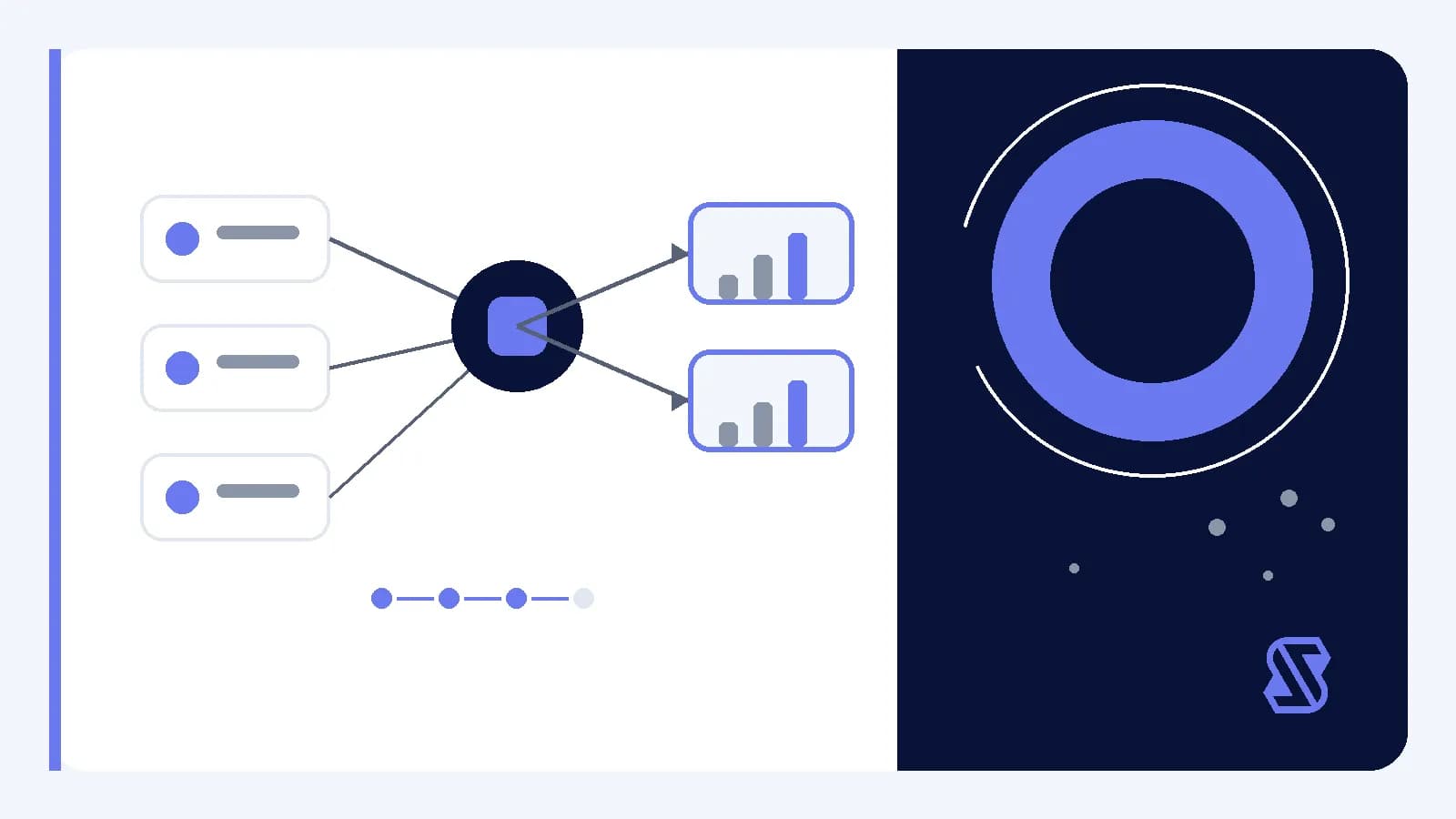
An AI feature is not only the model request that produces its main result. It also includes the waiting state, input handling, validation, recovery options and explanation shown when the expected path cannot complete. These surrounding decisions determine whether an interruption remains manageable or turns into a dead end.
A fallback is an alternate product path used when the preferred path is unsuitable or unavailable. It may preserve work, offer a simpler tool, request human review or let the person continue without AI. The right choice depends less on technical novelty than on the task, the potential cost of a poor result and the available non-model options.
Treat the model as one path through the feature
A model response should be treated as one component in a larger decision flow. The product still needs rules for accepting, rejecting or delaying that response. Validation means checking an output against product-defined requirements, such as required fields, permitted formats or task-specific boundaries. These checks should be designed independently from the model prompt.
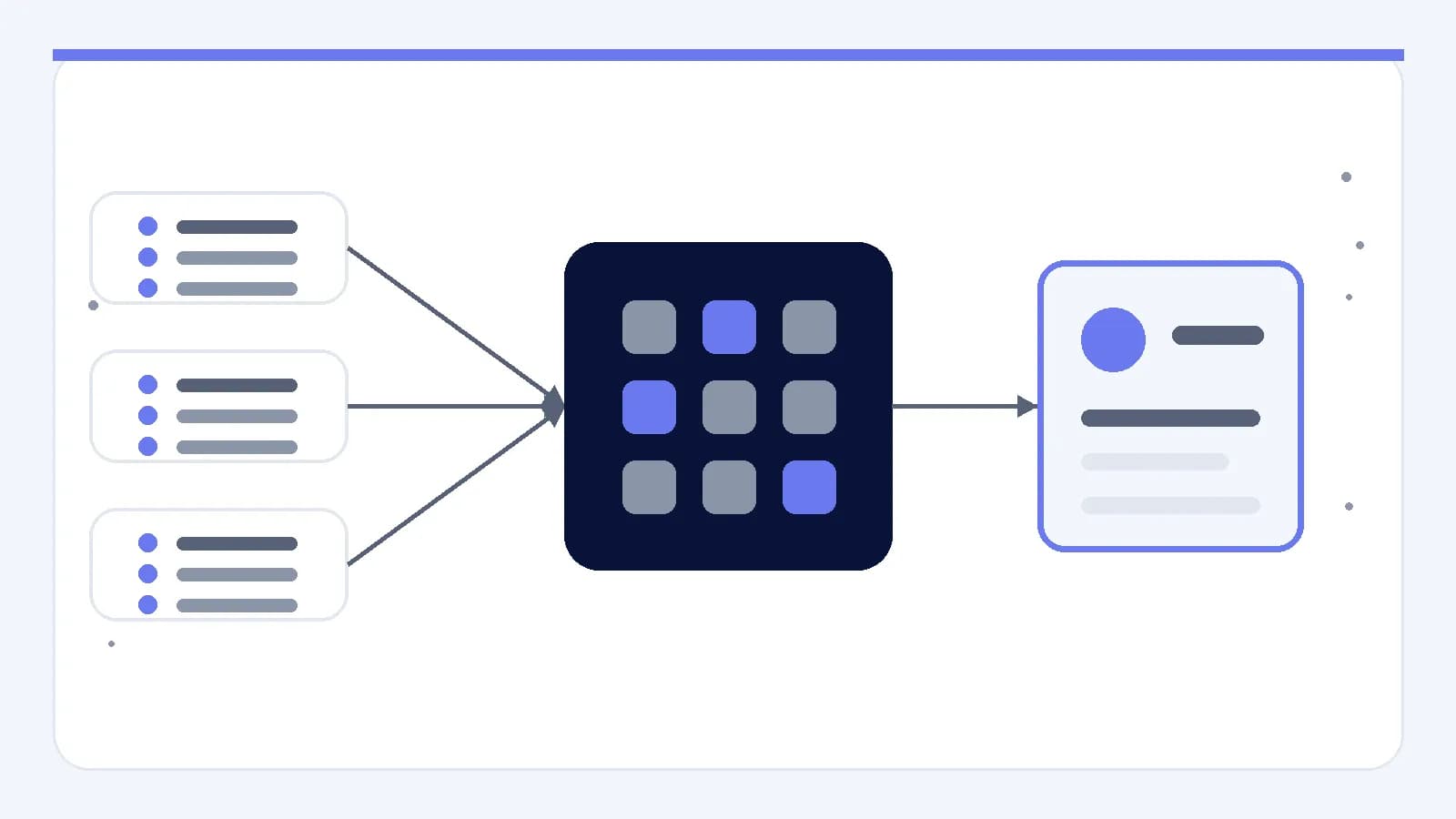
Mapping the complete flow makes fallback decisions easier to inspect. Begin with the input, then identify each processing step, validation point and handoff. For every point, ask what information remains available if that step does not finish as intended. The answer may reveal a useful path that does not require another model request.
- Preserve the original input so a failed attempt does not remove completed work.
- Separate model output from verified product data until validation has passed.
- Identify which steps can continue without generated content or classification.
- Keep human review available where an incorrect result could create meaningful consequences.
Distinguish slow, uncertain and unavailable states
Slow, uncertain and unavailable are different implementation conditions. Latency is the elapsed time between a request and the corresponding response. A product team should decide how long its interface will wait before offering another path. That threshold is a product choice to test within the actual technical environment, not a property that can be assumed from the model alone.
Uncertainty also needs a local definition. A feature might label a result uncertain when required checks fail, when several processing paths disagree or when a reviewer is needed. Do not assume that a confidence value exists or that values from different implementations are comparable. Unavailable should likewise be tied to verified conditions, such as a failed request, missing dependency or product-defined timeout.
Match the fallback to the task risk
Fallbacks should reflect what could happen if the feature produces no answer or the wrong answer. A writing suggestion may permit easy editing, while a workflow that changes stored information may require stricter review. These are design categories rather than universal risk levels, so each team should define them around its own task and data handling.
A useful fallback preserves agency without asking the person to diagnose the underlying system. The interface can present the next safe action, retain relevant context and distinguish a temporary interruption from an output that needs review. Technical details belong in operational records unless they directly help someone decide what to do next.
- Define what an acceptable result must contain before choosing a fallback.
- Identify the harm created by delay, omission and incorrect output separately.
- Select the simplest alternate path that preserves input and avoids hidden changes.
- Decide when retrying, manual completion or human review is the appropriate next step.
Make each state visible and actionable
A waiting state should explain what remains in progress and provide a deliberate way to leave that state. If cancellation is safe, the interface can offer it without discarding the source material. If background completion is supported by the verified implementation, the product should specify where the eventual result appears and how outdated results are handled.
When validation rejects an output, a generic failure message hides an important distinction. The request may have completed while the result remained unsuitable for the task. The interface can instead retain the input, explain that the result could not be used and offer a bounded alternative such as editing manually, changing the input or sending the item for review.
Build recovery without creating loops
Automatic retries can help with temporary failures, but they also need limits. Repeating the same request without changing any condition may extend the wait and obscure the actual state. A retry policy should define which failures qualify, how duplicate work is prevented and when the product stops retrying in favor of a visible alternative.
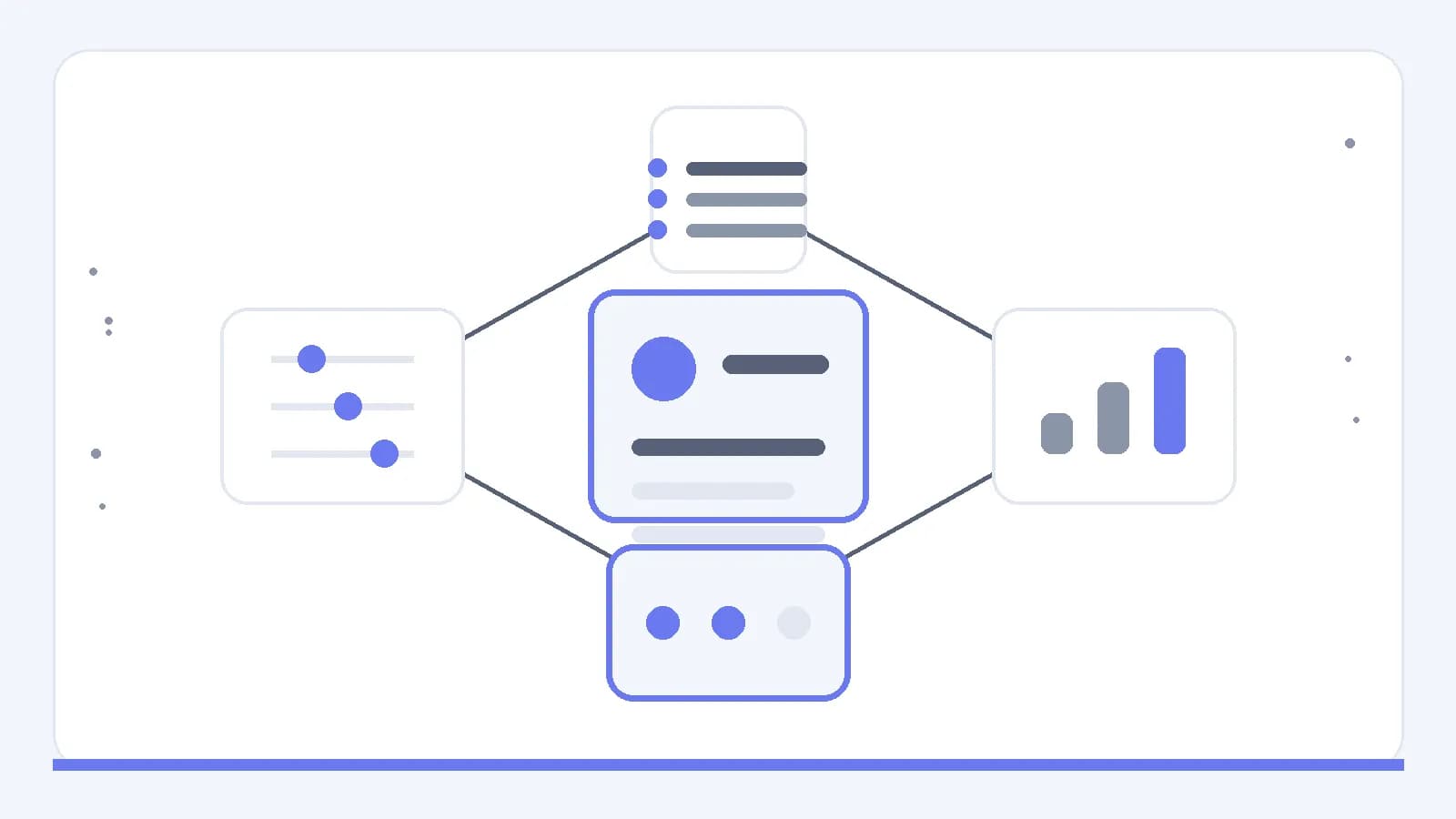
Recovery should also account for late responses. If a person has already edited the input, completed the task manually or started another attempt, an older result should not silently replace newer work. The product needs an explicit rule for comparing request context and deciding whether to display, archive or discard a late result.
- Attach each request to the input state that created it.
- Prevent repeated actions from producing conflicting updates or duplicate records.
- Stop automatic recovery when the original context is no longer current.
- Route unresolved cases to a clear manual path rather than an endless retry cycle.
Evaluate the fallback as part of the feature
A polished successful response does not exercise the full product flow. Evaluation should deliberately include delayed responses, rejected outputs, missing dependencies, changed inputs and abandoned requests. These can be simulated within a controlled test environment so that interface behavior is reviewed without depending on a live failure during routine use.
Telemetry, meaning structured records about product events, can support this evaluation if it is designed with appropriate data boundaries. Record the state transition and fallback chosen rather than collecting unnecessary input content. The exact events, retention rules and access controls should be defined according to the feature’s implementation and privacy requirements.
- Test the expected response and each named failure condition independently.
- Confirm that original input survives cancellation, rejection and interrupted recovery.
- Check that late responses cannot overwrite work created after the request began.
- Review operational records to ensure each state can be distinguished without exposing unnecessary content.
Set the fallback contract before release
A practical fallback contract names the expected path, the conditions that interrupt it and the safe action available for each condition. It also defines which data is preserved, when review is required and how stale results are treated. Writing this contract early gives design, engineering and editorial decisions a shared structure without tying them to one model implementation.
The final test is straightforward: remove the successful model response from the flow and inspect what remains. The task should still have a clear state, preserved context and a sensible next decision. If it does not, the next step is not a more elaborate prompt. It is a better-defined product path around the model.