Choosing Marketing Metrics That Fit the App
A practical framework for connecting marketing metrics to product decisions, purchase models, onboarding paths and measurable learning loops.
Supermoon Software / July 31, 2026 / 5 min read
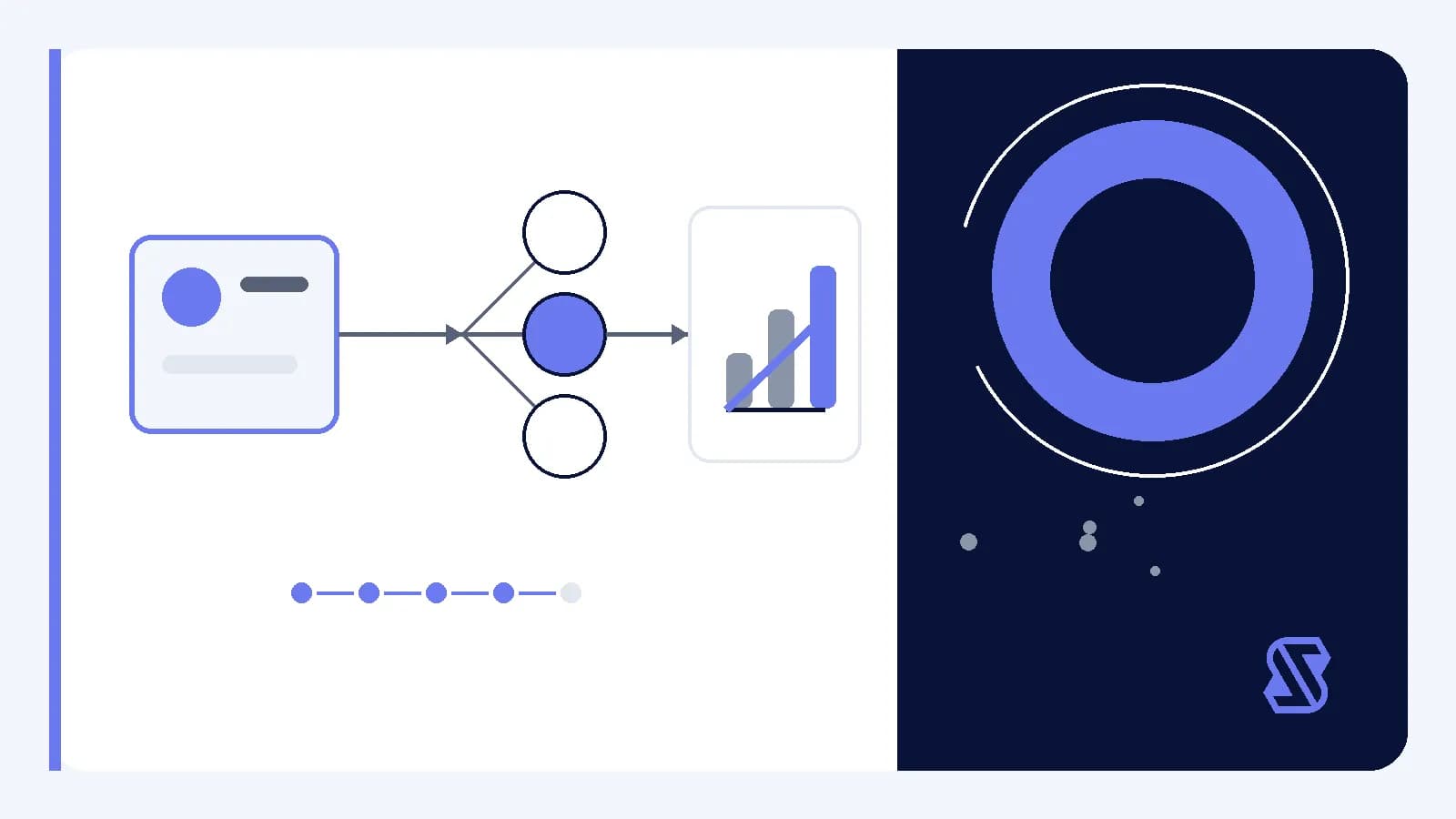
A marketing dashboard can contain plenty of accurate numbers and still leave the next decision unclear. The better starting point is not which metrics are available, but which product or marketing choice needs evidence. A metric earns its place when a team can describe what might change in response to it.
That standard matters for both subscription and one-time-purchase apps. The purchase model shapes which events deserve attention, but it does not remove the need to understand the full path from message to useful product experience. The aim is a compact measurement system that connects acquisition, onboarding, purchase and continued value without treating every observable event as equally important.
Start with the decision, not the dashboard
Write down the decision before selecting a metric. A team might be choosing between two messages, reconsidering an onboarding step or deciding whether a channel reaches an appropriate audience. Each question requires a different observation. Combining them under a broad goal such as growth can make the resulting data difficult to interpret.
A useful decision statement names the choice, the expected product effect and the evidence that would justify action. It should also identify a guardrail metric, meaning a secondary measure that warns when an apparent improvement may create an unwanted tradeoff elsewhere. For example, simplifying a purchase prompt might support completion while a guardrail checks whether more purchasers later request a refund, where that event can be measured reliably.
- Decision: specify the product or marketing choice that remains open.
- Primary metric: choose the clearest observable result of that choice.
- Guardrail: monitor a plausible cost or unintended product effect.
- Review condition: state what pattern would prompt investigation or action.
Map the path from message to first-run value
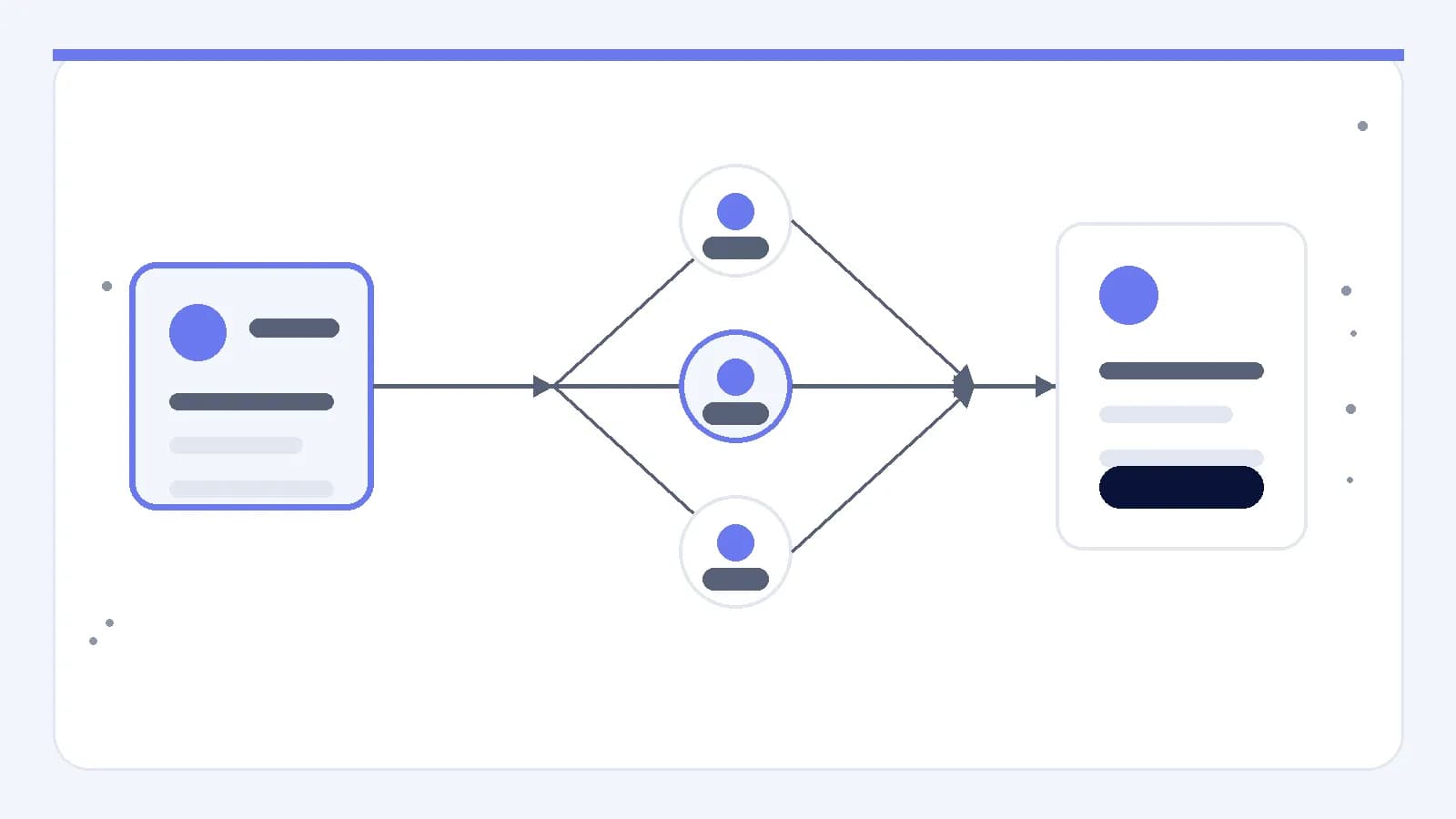
Marketing measurement becomes easier to reason about when the journey is represented as connected stages rather than a single funnel total. A practical map can begin with the acquisition message, branch by intended audience or placement, and reconnect at first-run onboarding. The team can then ask whether each stage has a distinct job and whether the available measurement can represent it.
Attribution is the rule used to connect an observed outcome with a prior source, message or campaign. It should be treated as a declared interpretation rather than unquestioned ground truth. Available identifiers, consent states, reporting boundaries and purchase events are implementation conditions that need verification. If a connection cannot be measured consistently, the dashboard should label that limitation instead of implying precision.
Give every metric an operational definition
Names such as activation, conversion and retention sound precise but can conceal different rules. An operational definition states exactly which event qualifies, which population is included and which observation window applies. Activation might mean completing a meaningful setup action rather than merely opening the app. Retention might mean returning to perform a defined useful action, not simply generating another session.
The same discipline applies to a cohort, which is a group sharing a defined starting condition, such as the same acquisition path or purchase state. Cohorts can keep unlike journeys from being merged into one total. The following sequence turns a broad metric label into something a product and marketing team can inspect together.
- Name the event or state that represents the intended outcome.
- Define who enters the eligible population and when eligibility begins.
- Set an observation window appropriate to the decision being considered.
- Record exclusions, missing events and known measurement boundaries.
- Assign an owner who can explain both the definition and its limitations.
Respect the logic of each purchase model
A subscription app can place more emphasis on renewal eligibility, cancellation states and continued useful activity, provided those events are available and defined consistently. A one-time-purchase app may place more emphasis on purchase completion, refund signals and whether onboarding leads to the value promised by the acquisition message. These are starting hypotheses for measurement design, not claims about how every app operates.
The models should not be forced into identical scorecards, but neither should they be treated as unrelated. Both need a view of acquisition quality, onboarding progress, purchase integrity and post-purchase value. The difference lies in which later events can inform the original marketing decision. A subscription may create repeated billing-related observations, while a one-time purchase may require carefully chosen product-use signals after the transaction.
- Acquisition quality: does the selected audience path reach the intended onboarding context?
- Product activation: does the person complete the defined first useful action?
- Purchase integrity: can completed, failed, cancelled or refunded states be distinguished where relevant?
- Continued value: is there a privacy-appropriate event that represents meaningful later use?
Build a closed learning loop
Instrumentation is the system of event names, properties and collection rules used to make product activity measurable. It should mirror the decisions in the scorecard. If the team wants to compare messages, the event design needs a stable way to distinguish those messages. If onboarding changes are under review, the relevant steps and completion conditions need definitions that remain comparable during the test.
A closed learning loop connects the message, onboarding, measurement and product controls. Product controls are the elements the team can deliberately change, such as copy, sequence or eligibility rules. The loop is closed when an observed pattern can lead to a specific adjustment and the next observation can be interpreted against the same definitions. Without that connection, measurement may describe activity without supporting a decision.
Keep the scorecard small enough to challenge
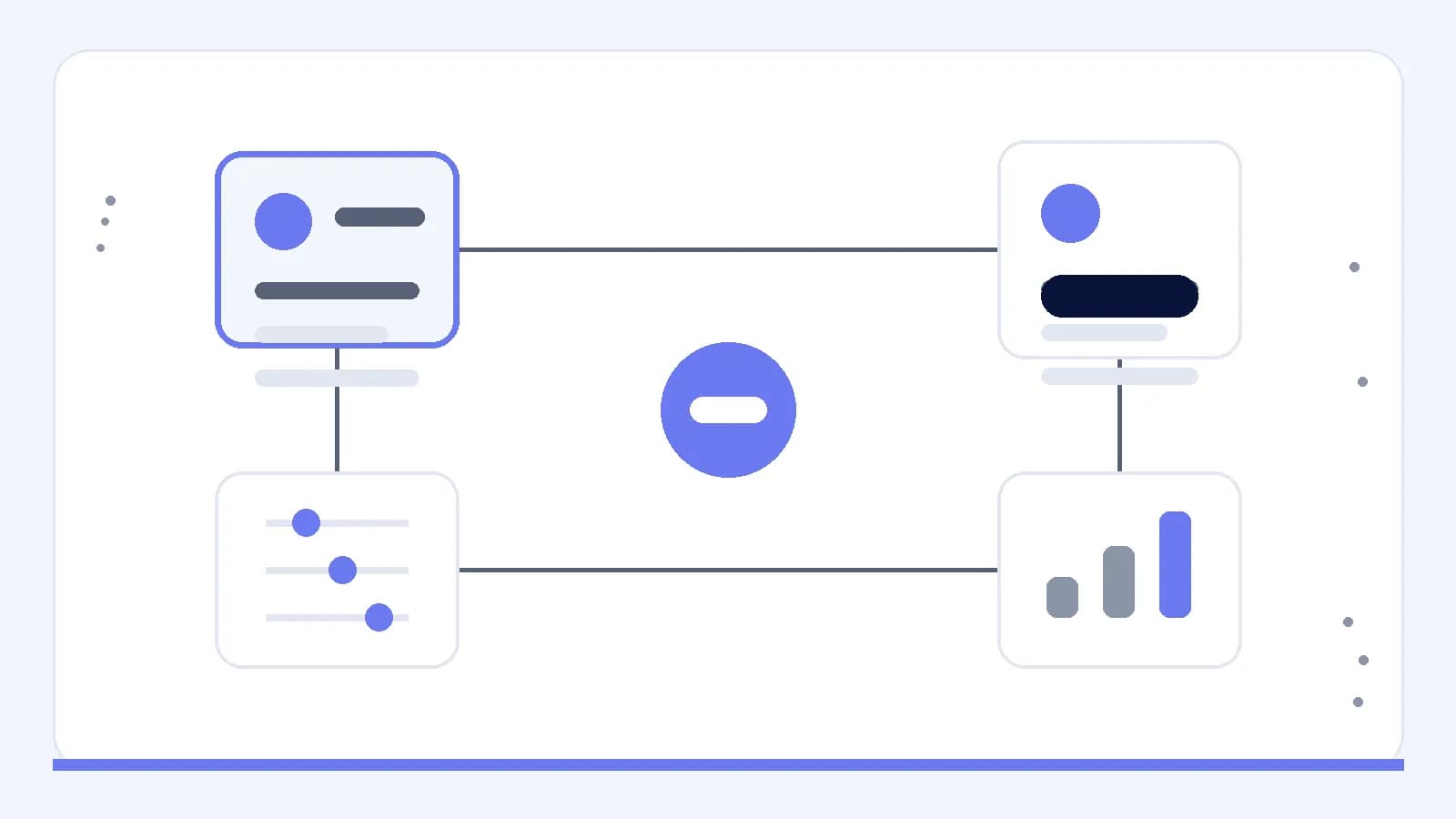
A practical scorecard can separate outcome metrics from diagnostic metrics. Outcome metrics represent the result the team ultimately cares about for the current decision. Diagnostic metrics help explain where a path may be breaking down. A leading indicator is an earlier signal that may precede the outcome, while a lagging indicator records a result that can only be observed later. Neither should be treated as proof of the other.
Each review should ask whether a change is large enough to matter for the decision, whether definitions remained stable and whether another product change offers a plausible explanation. If the evidence is ambiguous, the appropriate action may be better instrumentation or a narrower question rather than a broader claim. A useful scorecard ends with a short set of next decisions: what to keep, what to investigate, what to change and what cannot yet be concluded.