A practical framework for connecting acquisition messages with onboarding choices, measurement, fallback paths and controlled product decisions.
Supermoon Software / October 9, 2026 / 5 min read
An acquisition message can introduce a purpose, a likely next step and an expected level of effort. The first-run experience then needs to make those implications concrete without pretending to know more about the person than the message actually reveals.
When acquisition and onboarding are designed separately, each part can appear reasonable while the full journey feels disjointed. A practical alternative is to treat the message as an input to product design, then check whether the app preserves, qualifies or deliberately redirects that context.
Treat the message as a product input
Start by translating each acquisition message into a small set of product implications. A message about organizing a task may suggest a different starting point from one about exploring possibilities. This does not require a separate product flow for every message. It requires clarity about which parts of the first run should respond to the available context.
A useful message record should distinguish what is explicit from what the team merely suspects. The product can safely continue an explicit idea, while a suspected motivation should remain a question or optional path. That distinction keeps marketing language from becoming an unsupported assumption inside the interface and gives reviewers a clear basis for challenging proposed variations.
The stated purpose, expressed without inferred motives
The action presented as a likely next step
Any effort or setup acknowledged by the message
The entry context the product can reliably receive
The assumptions that still require a user choice
Map several paths into one coherent entry
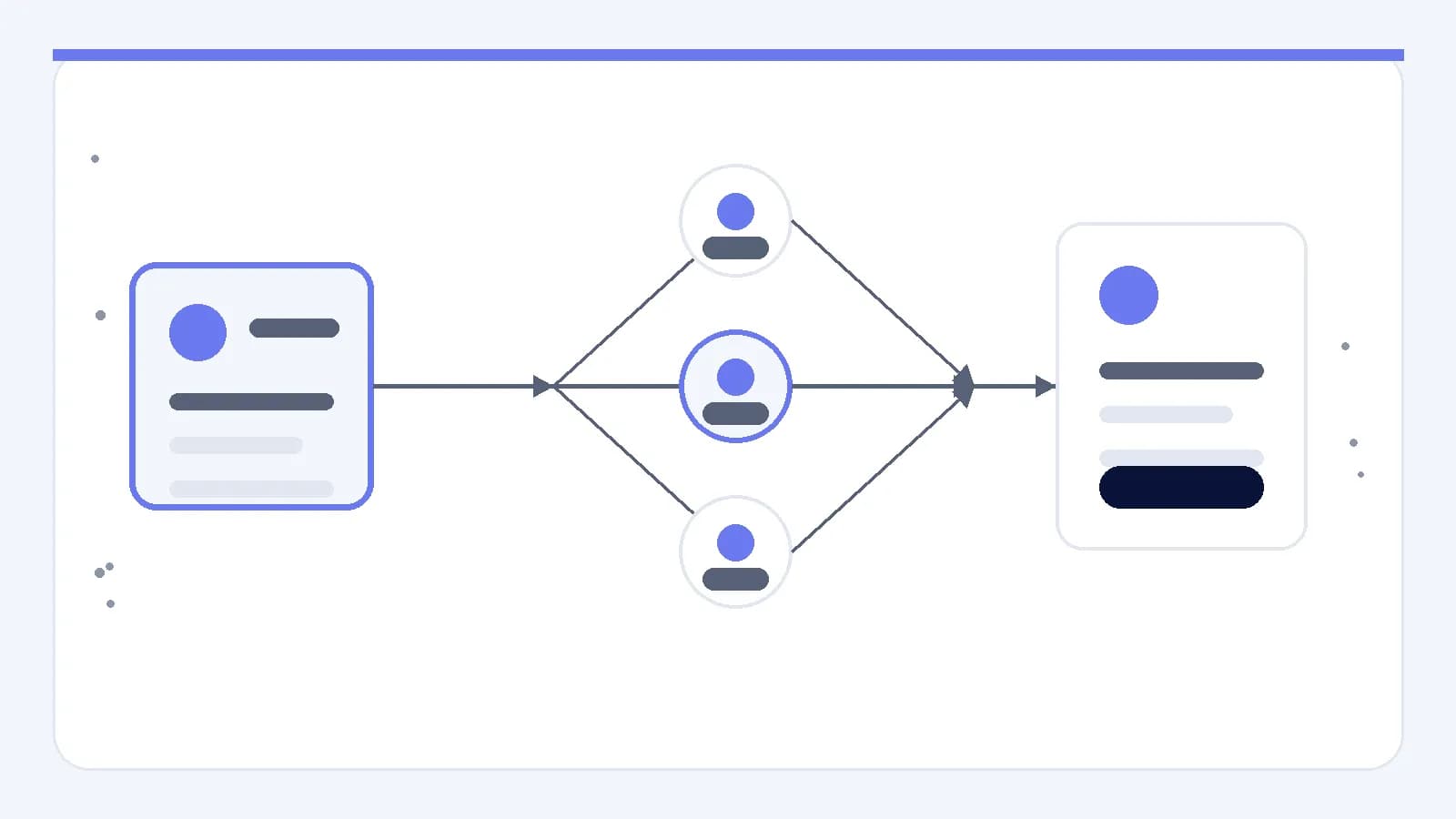
Different messages can lead toward the same first-run experience, but they may benefit from different introductions. The design task is to identify where variation improves orientation and where it creates unnecessary complexity. A short contextual heading may be sufficient, while the underlying setup, permission decisions and account choices remain shared across paths.
For each path, ask what information can actually reach the app and how the experience should respond when that information is missing, delayed or invalid. These implementation conditions need verification for every relevant platform. The default entry should remain understandable across mobile, Desktop and web without depending on a particular acquisition route or an unverified handoff.
The path map helps reviewers decide where introductions should vary and where onboarding should remain shared.
Write a continuity specification
A continuity specification is a compact document connecting an acquisition message to the intended first-run state. It gives marketing, design, engineering and product review a shared object to inspect. Its purpose is not to prescribe every screen, but to expose where a message creates a product commitment, an implementation dependency or an open question.
Write the specification before refining interface copy. This keeps the discussion focused on state and sequence rather than isolated wording. Review whether the first visible choice follows from the message, whether required setup is explained and whether optional branches remain genuinely optional. Also record who owns each unresolved condition so uncertainty does not disappear between disciplines.
Record the message and its explicit commitment.
Identify the first meaningful product state.
List required steps between entry and that state.
Mark assumptions that need a user choice.
Define a sensible path when context is unavailable.
Measure the handoff, not just the endpoints
Measurement should describe the transition from message to product state. An event is a recorded signal tied to an action or condition, such as opening a first-run screen or completing a setup choice. Events are useful for review only when their names, timing and intended interpretation are defined consistently within the product team.
Avoid treating a completed step as proof that the original message was appropriate. Instead, use measurement to locate points that deserve inspection. A difference between two paths could reflect message context, the rules that direct each entry, interface wording or a recording error. The observation can narrow the investigation, but it does not explain the cause by itself.
Verify that entry context is recorded as intended.
Separate missing context from a deliberate default path.
Track meaningful states rather than every minor interaction.
Check whether repeated events could distort interpretation.
Document which product decision each event can inform.
Create a controlled learning loop
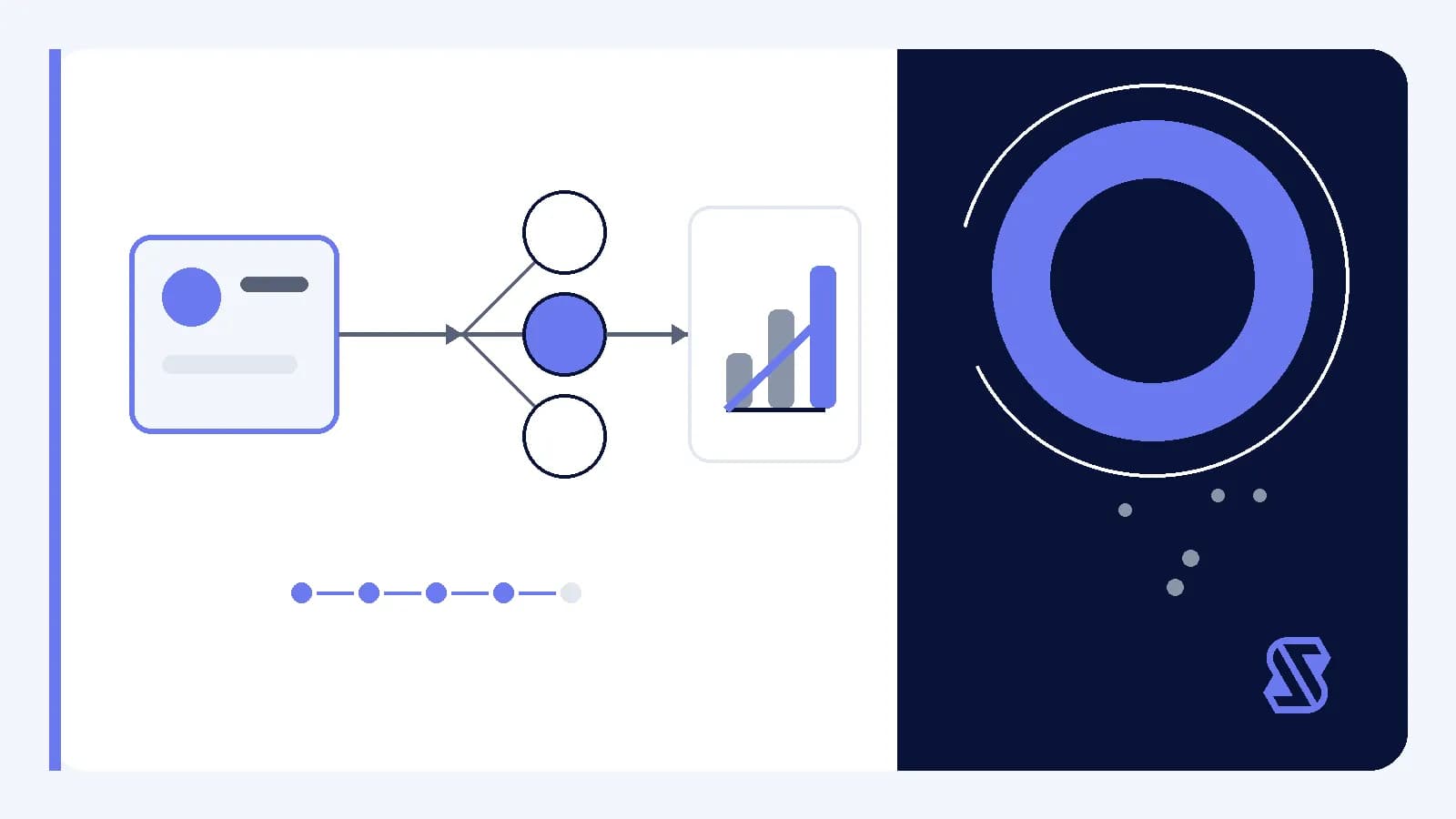
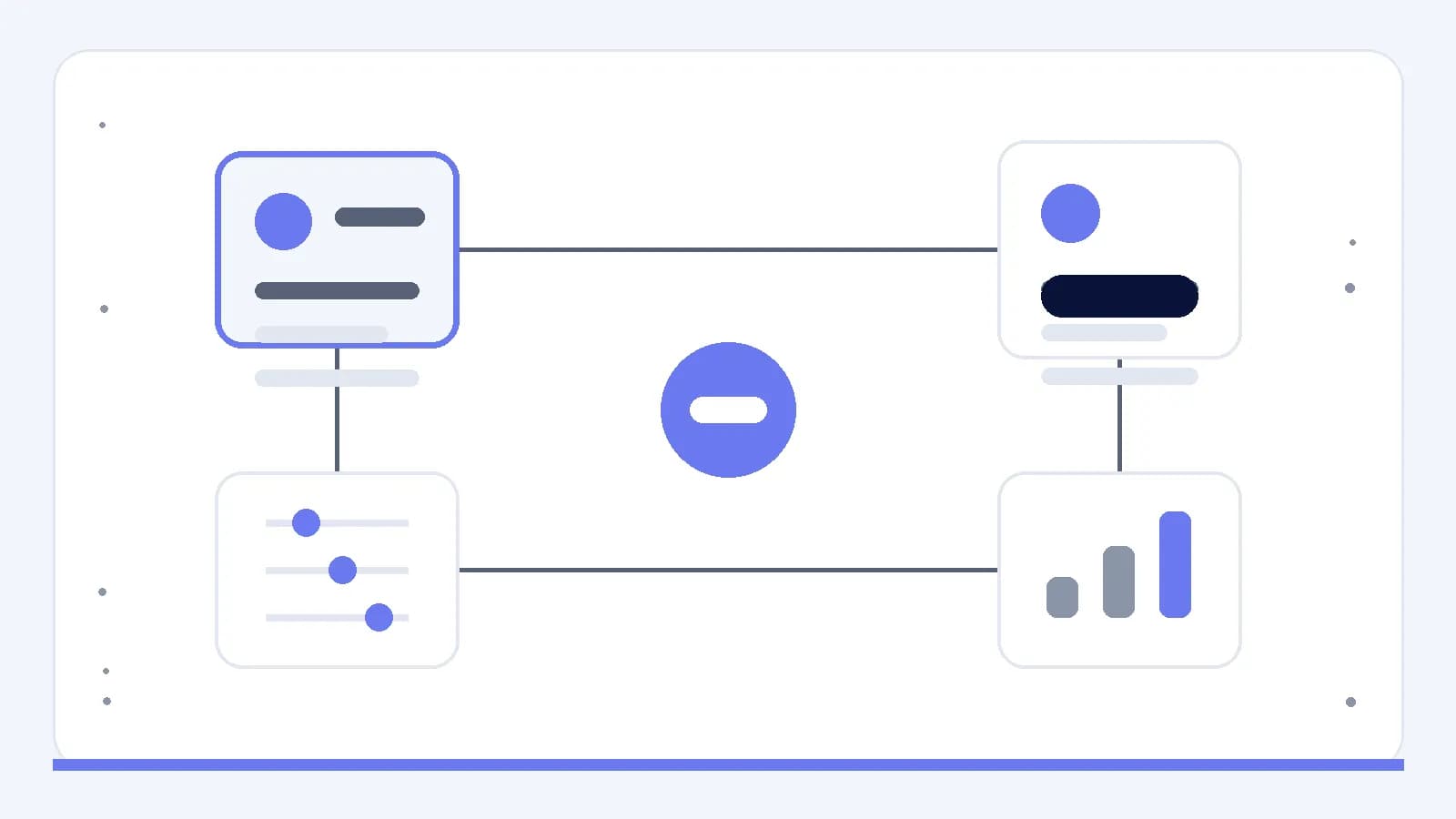
A useful learning loop connects message, onboarding, measurement and product controls. Product controls are defined settings or rules that let a team adjust an experience while keeping the change identifiable. A control might select which approved introduction appears for a known path, provided its scope, implementation conditions and fallback behavior have been reviewed.
Keep the loop closed by connecting each observation to a decision the team can make. If no message or product decision could follow from a measurement, reconsider whether that signal belongs in the plan. If a control changes several parts of onboarding at once, narrow its scope so reviewers can identify which condition produced the result under examination.
The loop connects measurement to defined decisions about the message and onboarding experience.
Review meaning before refining copy
Copy review matters, but continuity of meaning comes first. A polished opening cannot repair a path that presents one task and begins with an unrelated decision. Review the message, entry state, required setup, first meaningful outcome and fallback as one sequence before adjusting tone, shortening labels or creating additional variants.
Choose one acquisition message and build its continuity specification from end to end. Verify the available context, map the default path, define a small event set and assign only the controls needed for a clear decision. Repeat the exercise for other messages while preserving shared onboarding wherever the product logic remains the same. The result should be a reviewable connection between what the message introduces and what the product asks next.