A Practical Voice System for Small Software Brands
Product copy, onboarding and marketing can share one voice without becoming identical. This framework turns tone into boundaries, patterns and review decisions.
Supermoon Software / August 14, 2026 / 6 min read
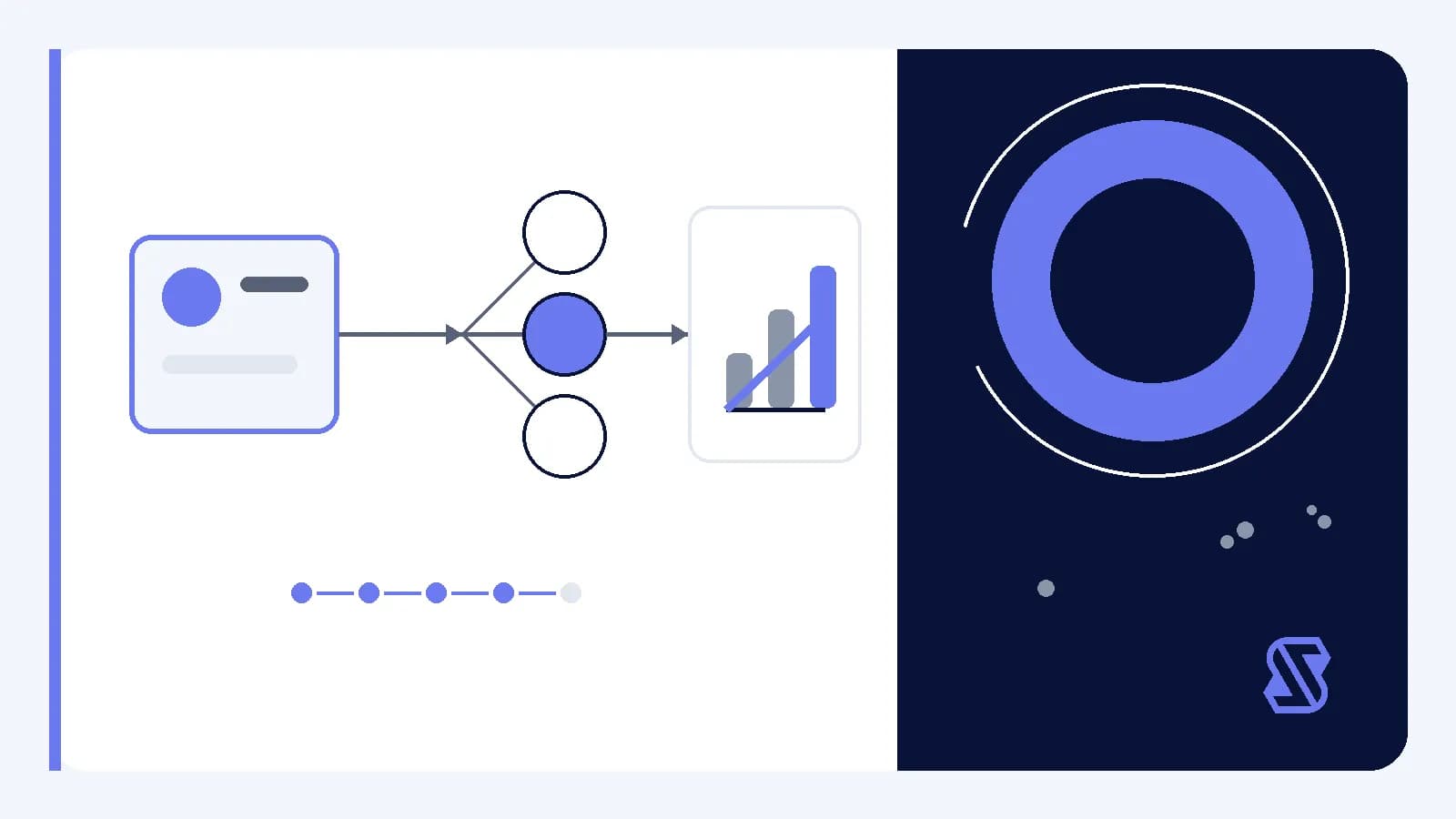
A consistent voice does not require every surface to sound identical. A product setting, an onboarding step and an acquisition message have different jobs. The practical goal is continuity: each surface should feel as though it came from the same set of decisions about clarity, tone and respect for the reader.
For a small software brand, voice becomes easier to maintain when it is treated as a working system rather than a collection of polished examples. That system needs boundaries, reusable patterns and a review method. It should also leave room for context, since a concise button label and a detailed marketing explanation cannot use the same sentence structure.
Set voice boundaries before writing
Begin with a small set of qualities that can guide an actual edit. Terms such as friendly, simple or confident are too open to interpretation on their own. Translate each quality into an observable writing decision. If the voice is direct, decide whether that means leading with the action, removing ceremonial introductions or naming limitations plainly. The useful part is not the adjective but the behavior it supports.
Add boundaries for what the voice should avoid. These exclusions prevent tone from drifting when a new campaign, feature or writer enters the process. They can also resolve disagreements without requiring one person to act as the permanent judge. A compact voice guide might establish the following decisions:
- Prefer concrete actions and outcomes over broad emotional language.
- Explain unfamiliar terms when they first become necessary.
- Avoid jokes where the reader may need to resolve a problem.
- State uncertainty without turning it into vague or evasive phrasing.
- Use enthusiasm selectively rather than as a default sentence ending.
Carry one promise through the journey
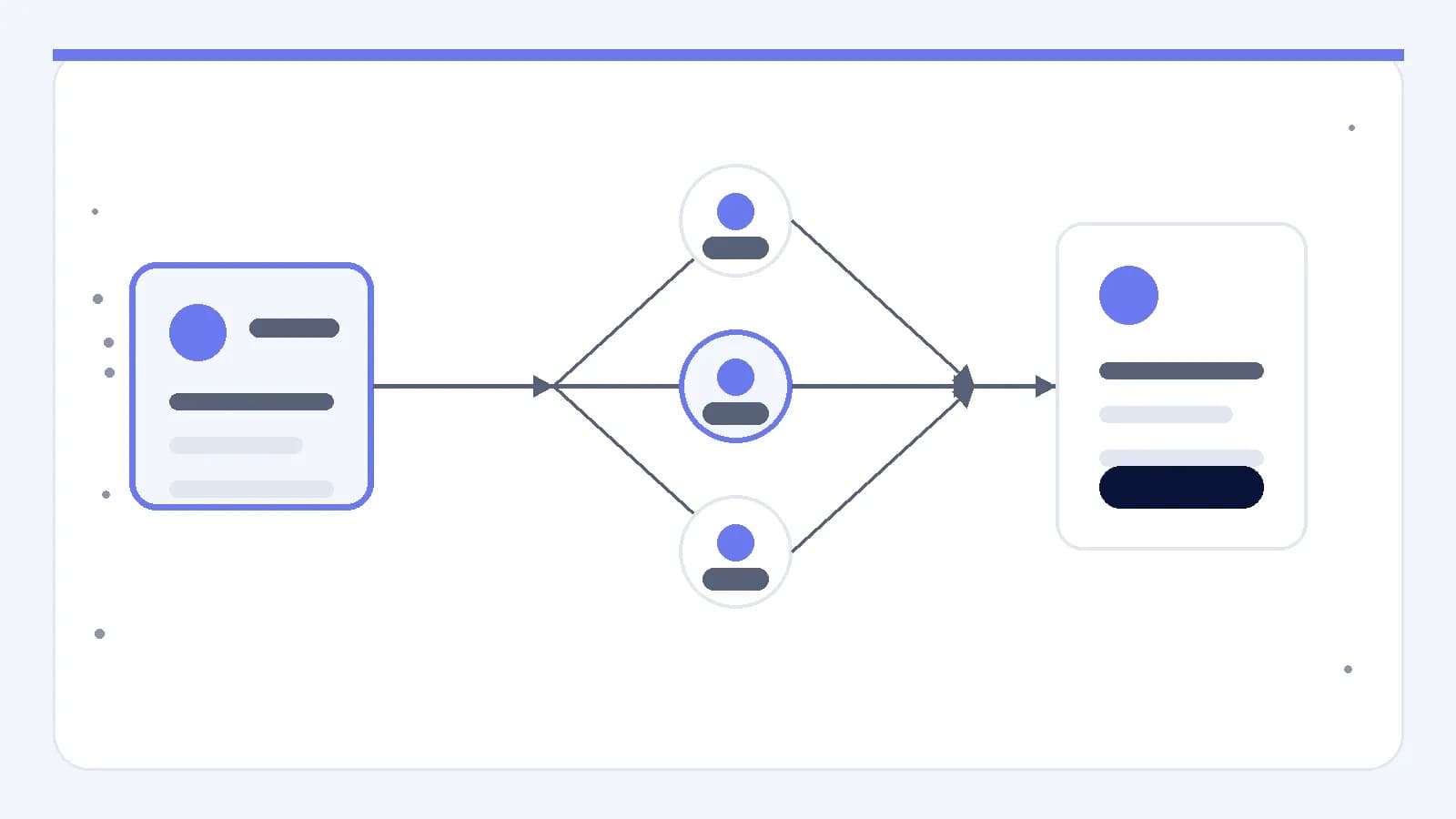
Choose a central promise that the product can responsibly support, then map how that promise appears across acquisition and first use. An acquisition surface is any place intended to introduce the software to a potential user. First-run onboarding is the guidance presented when someone begins using the product. These surfaces should not repeat the same copy, but they should agree about the product’s purpose and the next meaningful action.
Build the map as a sequence of decisions rather than a sequence of slogans. An acquisition message may emphasize different contexts for different audiences, while onboarding can converge on one shared task. Check whether each branch sets an expectation that the first-run experience can address. If a message introduces a specialized benefit, decide whether onboarding needs to acknowledge it, defer it clearly or remove it from that path.
Keep the principles constant, not the phrasing
Consistency comes from stable principles applied to changing situations. Marketing copy may have room to explain why a product matters. Interface copy, meaning words attached to controls, status messages and instructions, usually needs to support an immediate decision. Support material may need more detail because the reader is diagnosing a problem. Forcing one rhythm or level of warmth across all three can make the voice less useful.
Create a context matrix that records what changes and what stays fixed. The matrix does not need to prescribe every sentence. Its purpose is to make tradeoffs visible before review. For each surface, identify the reader’s likely task as a design assumption, the amount of explanation available and the consequence of misunderstanding. Then apply shared principles to those conditions.
- Marketing can provide context, but its promise should remain specific enough to test against the product.
- Onboarding should connect the initial promise to an achievable first action without introducing unrelated claims.
- Controls should prioritize recognizable actions over distinctive brand phrasing.
- Error messages should explain the condition and available response before adding personality.
- Help content can expand terminology while preserving the same names used inside the product.
Turn the guide into reusable decisions
A voice guide becomes more practical when it includes patterns for recurring situations. A pattern is a small writing rule with a purpose, structure and example. It might cover how to introduce a permission request, describe an unavailable action or confirm a completed task. Patterns reduce the need to solve the same tonal question repeatedly, while still allowing the wording to fit each feature.
Keep examples paired with reasoning. A sentence copied without context can become an accidental template, even when the next situation requires a different approach. For a small team, the following sequence can turn an abstract voice principle into an editorial tool:
- Name the recurring situation and the decision the reader needs to make.
- Identify the information that must remain clear regardless of tone.
- Choose a structure that presents the action, condition and consequence in a useful order.
- Write contrasting examples that show both the preferred choice and the boundary it protects.
- Record any product terminology that must stay consistent across related surfaces.
Review the system, not just the sentence
A review process that reconsiders every sentence from first principles creates avoidable work. Instead, review at several levels. First check whether the surface supports the central promise. Then check whether the context justifies its tone and detail. Finally, review individual wording for clarity, terminology and rhythm. This order prevents a polished sentence from hiding a larger mismatch between message and product.
Connect review to a learning loop without treating every signal as a verdict on voice. Measurement means the selected observations used to evaluate a product decision. A change in a completion measure, a support theme or a usability observation may reveal a point worth investigating, but the team should still separate wording from layout, timing and product behavior. Product controls, such as staged availability or reversible copy changes, can make that investigation easier to manage.
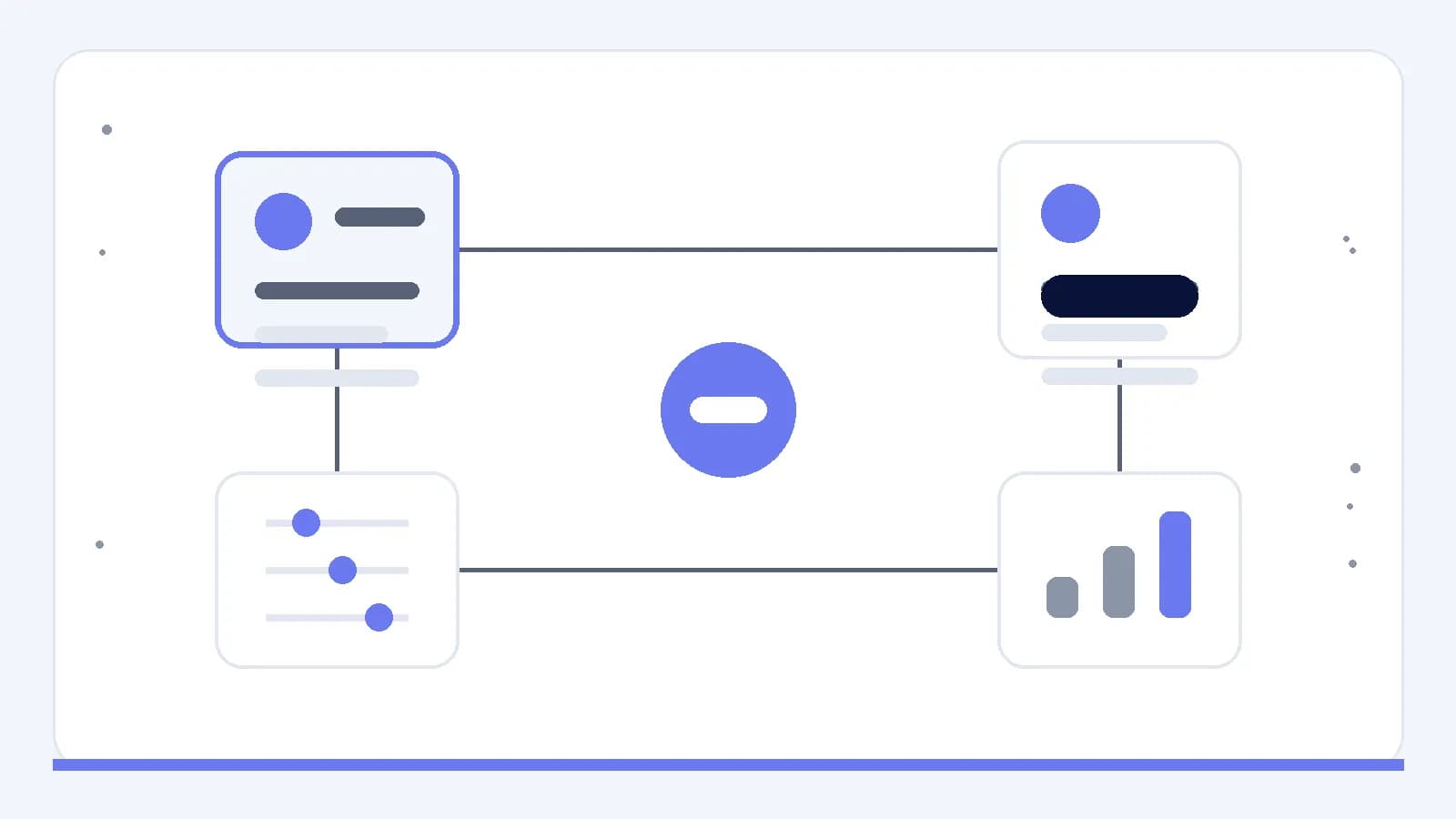
- Start with the message decision that needs evaluation, not a general request to improve tone.
- Observe the relevant onboarding step and the surrounding product conditions together.
- Record alternative explanations before attributing an issue to wording.
- Adjust one meaningful part of the system, then review connected surfaces for drift.
- Add durable findings to the guide only when they clarify a reusable decision.
Choose the next voice decisions
The practical starting point is a short audit of one connected path. Select an acquisition message, the onboarding it leads toward and the first important product action. Mark the promise, terminology, tone and expected next step on each surface. Where they disagree, decide whether the difference reflects useful context or an unresolved product decision.
From that audit, write a few enforceable boundaries, one context matrix and several patterns for situations that recur. Assign review ownership, but keep the reasoning visible so the system does not depend on a single editor. The aim is not perfect uniformity. It is a voice that remains recognizable because each surface uses the same principles to make context-specific choices.